Govindaraja Perumal Temple, Chidambaram (Thiruchitrakoodam)
Thiru Chitrakoodam
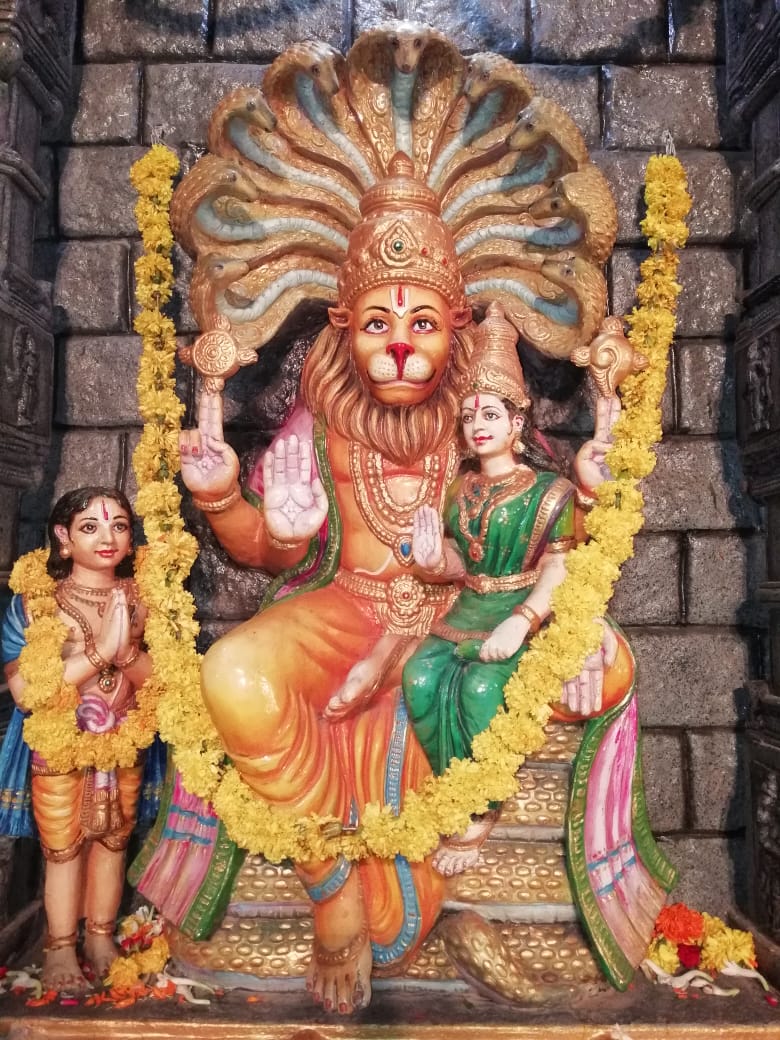
Arian Zwegers · CC BY 2.0 · source
A Vishnu Divya Desam located within the great Chidambaram Nataraja temple complex.
Sthala Purāṇam
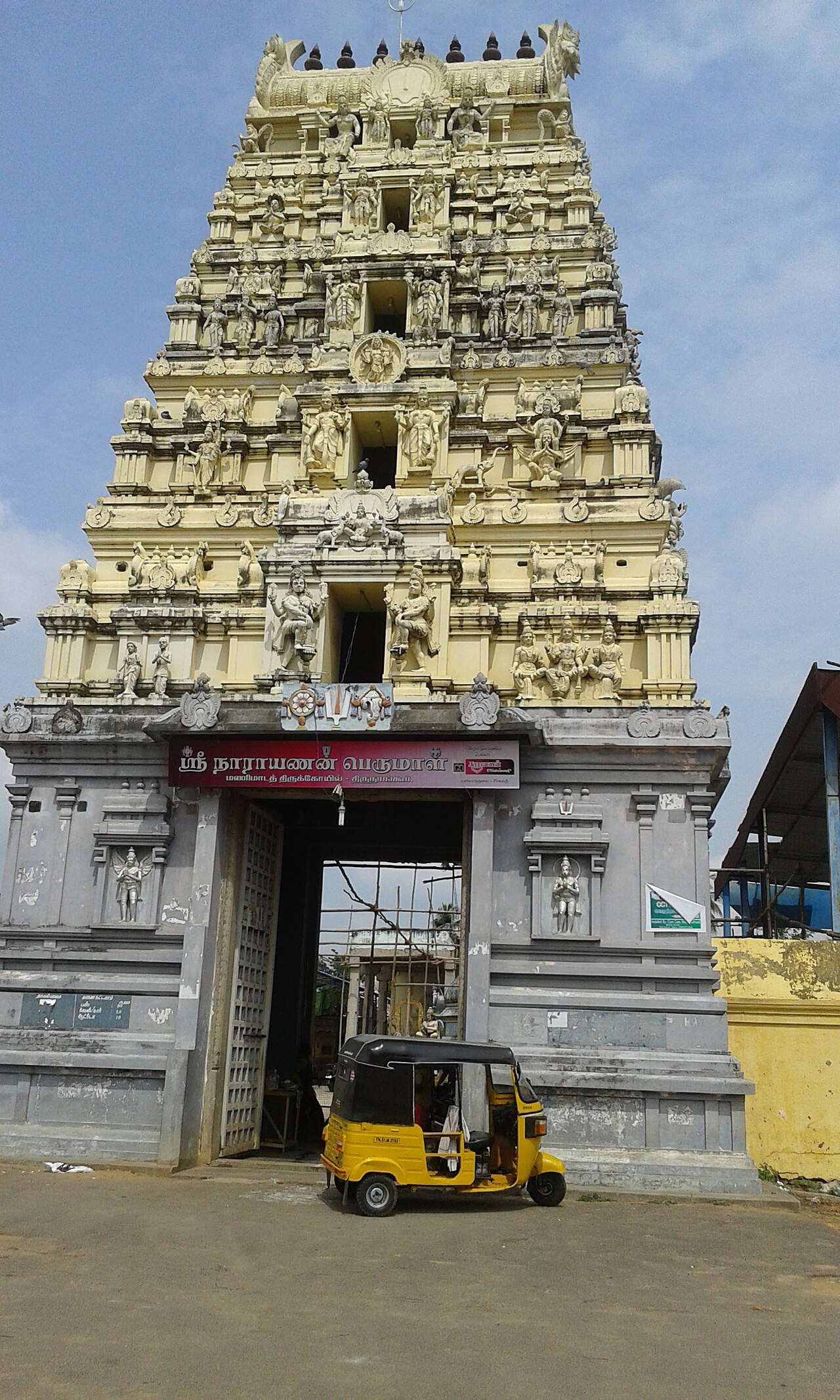
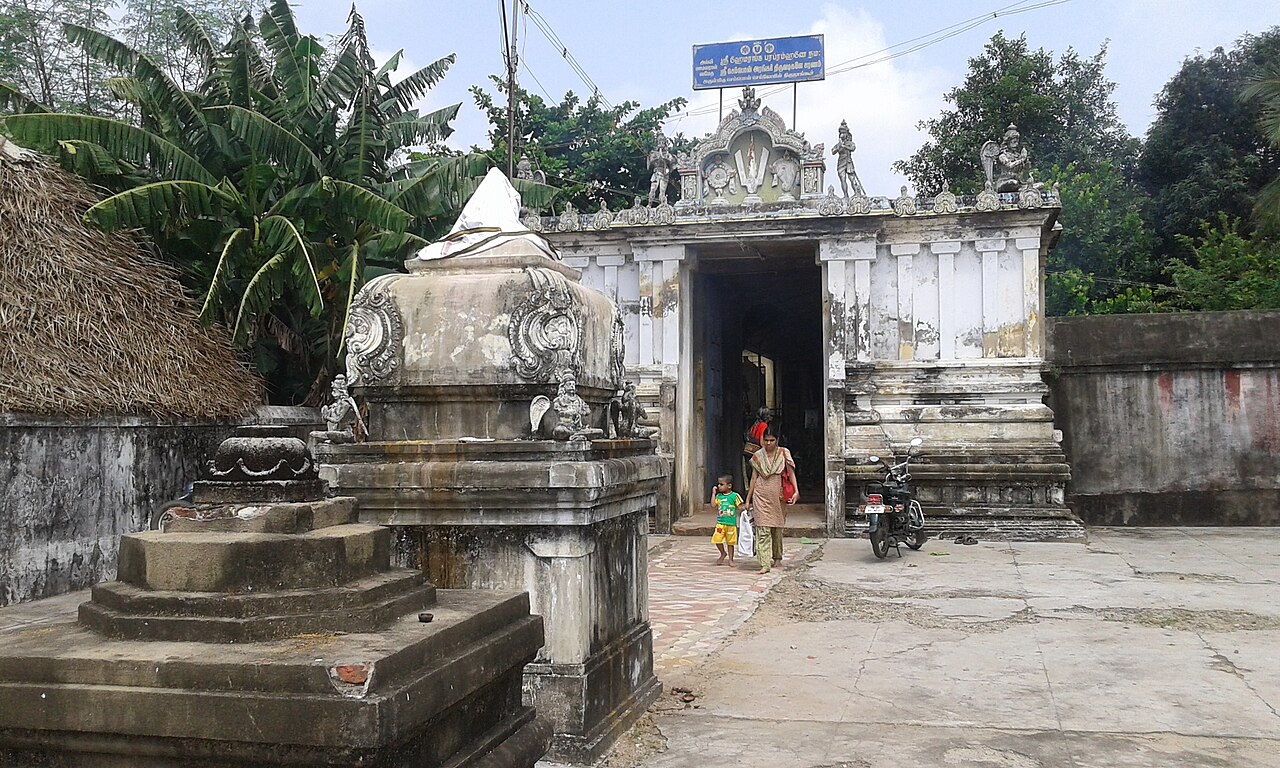
Thiru Chitrakoodam, the Vishnu Divya Desam set within the great Thillai Nataraja temple at Chidambaram, enshrines Lord Govindaraja in bhogasayanam, reclining upon Adisesha, bearing conch and discus and facing east; the festival form is revered as Devadhi Devan. It is one of only two Divya Desams located within a Shiva temple complex, the other being Nilathingal Thundam Perumal at Kanchipuram. The consort Goddess is Pundarikavalli Thayar. The ancient Thillai forest (Tillaivanam) gave Chidambaram its name; the appellation Chitrakoodam is linked in tradition to Lord Rama, who, while searching for Sita, likened the beauty of this place to the northern Chitrakoota. Govindaraja is said to have descended here for the sage Kanva and for the Dikshitars who serve the Thillai temple. The shrine is famed for a turbulent episode in its history: in the twelfth century the Chola king Kulottunga II had the Govindaraja image uprooted and cast into the sea; Sri Vaishnava tradition associates Acharya Ramanuja with the effort to recover and honour the Lord, and the festival image is connected with the Govindaraja shrine at Tirupati during this period of persecution. The reclining Lord was reinstated at Chidambaram much later, in the sixteenth century, by the Nayak ruler Krishnappa Nayaka. The vimana is the Sathvika Vimana, and the temple tank is the Pundarika Pushkarini. This Divya Desam was hymned by Kulasekhara Alvar and Thirumangai Alvar in the Nalayira Divya Prabandham.
Mangalāśāsanam — the Āḻvār pāsurams
The Lord Govindaraja (reclining Vishnu) with Pundarikavalli of Thiru Chitrakoodam is glorified in 24 pāsurams by:
Thiruchitrakoodam — the Govindaraja Perumal shrine housed within the Thillai Nataraja (Chidambaram) temple complex, one of only two Divya Desams located inside a Shiva temple — is reckoned the 40th/41st Divya Desam to receive Perumal's Mangalasasanam. Kulasekhara Alvar caps his entire Perumal Thirumozhi with its tenth and final decade, 'Angan Nedumadhil' (NDP 741–751), in which he condenses the whole Ramayana and repeatedly fixes Lord Rama's abode at 'Thillai nagar Thiruchitrakoodam' — equating the Chitrakuta of the epic with this shrine and seeing the deity as Kalyana Rama rather than Govindaraja. Thirumangai Alvar likewise sang this kshetram (commonly counted as ~13 hymns), giving the temple a combined Mangalasasanam of roughly 24 pasurams.
அங்கண் நெடுமதிள் புடைசூழ் அயோத்தி என்னும் அணி நகரத்து உலகனைத்தும் விளக்கும் சோதி
angaN nedu madhiL pudai sUzh ayOdhdhi ennum aNi nagaraththu ulagu anaiththum viLakkum sOdhi ... thillai nagar thiruchchithrakUdam thannuL
In the beautiful city called Ayodhya, ringed about by tall broad ramparts, was born the effulgence that lights up all the worlds — Rama of the solar dynasty, the great warrior with red eyes and cloud-dark form who lifted the suffering of the gods. That same Lord now graciously resides in Thiruchitrakoodam within Thillai (Chidambaram), making himself visible to devotees of every age. The decade retells the whole Ramayana and ends each verse by locating Rama at Chitrakoodam, Chidambaram.
More verses & references (1)
- Thirumangai Alvar also glorifies Govindaraja of Thiruchitrakoodam (Chidambaram); his hymns for this shrine (the first ten reputedly set in Shankarabharanam raga) celebrate the reclining Lord housed uniquely within the Thillai Nataraja precinct. Exact Tamil verse text and decade reference not confidently sourced, so Tamil left blank. — Thirumangai Alvar, Periya Thirumozhi · source ↗
Tamil text & meaning sourced from divyaprabandham.koyil.org and other Śrī Vaiṣṇava authorities — please cross-check the linked source for the canonical reading.
Read the pāsurams ↗Gallery


Tap an image to view it larger — use ‹ › to browse, ✕ to close. Images via Wikimedia Commons.
Plan your visit
📍 11.39944, 79.69333
Routes, distances, hotels and restaurants open in Google Maps with live data. Build a phased pilgrimage plan →