Ahobilam (Nava Narasimha)
Thiru Singavel Kundram
Gopal Venkatesan · CC BY 2.0 · source
Pre-eminent Nava Narasimha kshetram and seat of the Ahobila Mutt.
Sthala Purāṇam
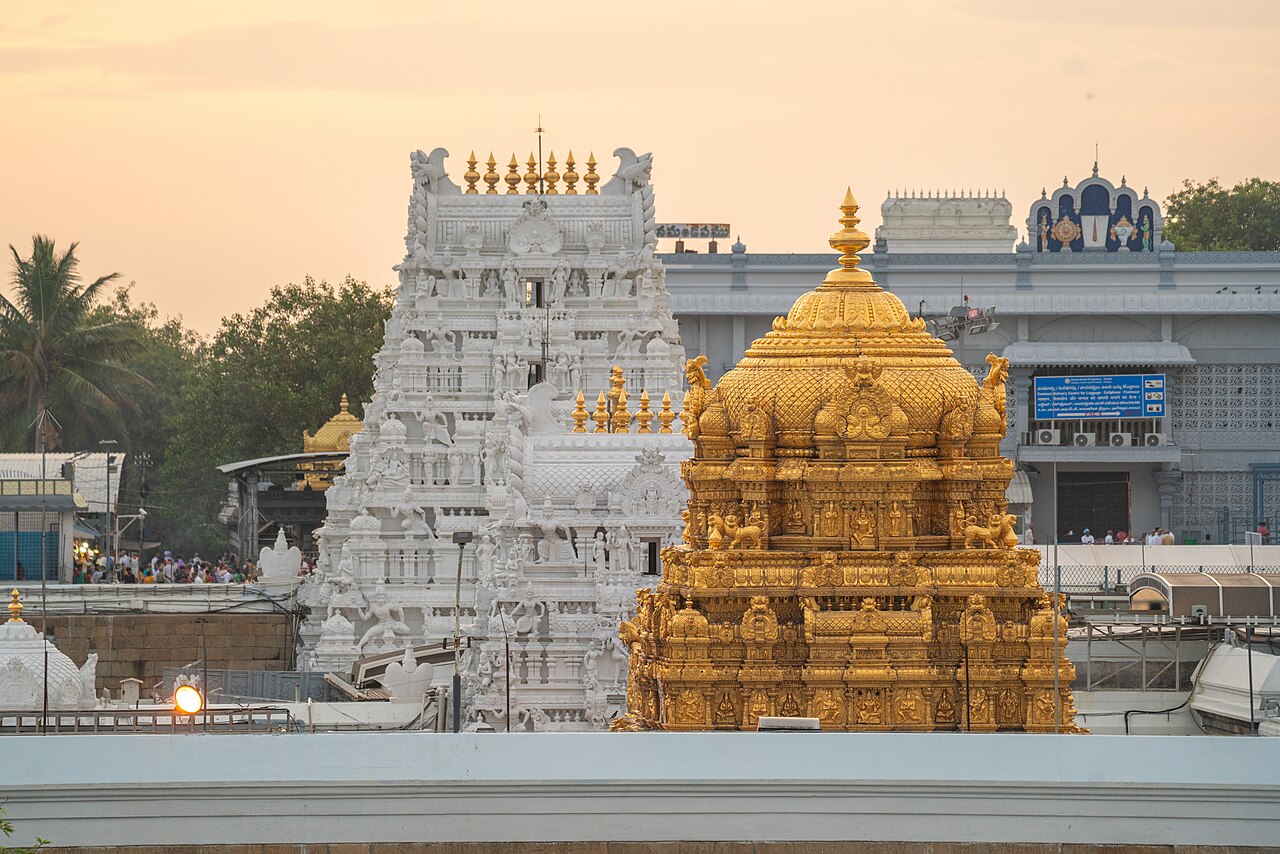
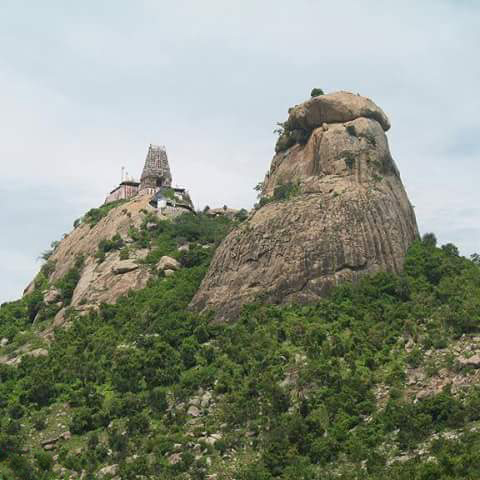
Ahobilam, the Divya Desam known in Tamil as Thiru Singavel Kundram, lies in the Nallamala hills and is revered as the Nava Narasimha Kshetra, where Vishnu is worshipped in nine distinct forms of Narasimha. The core legend is the slaying of the demon Hiranyakashipu, who had obtained a boon making him immune to death by gods, men, or beasts, by day or night, indoors or out, by no weapon. When he kicked a pillar in defiance of his son Prahlada's faith, Vishnu burst forth as Narasimha, half-man and half-lion, and at twilight, neither day nor night, upon the threshold, tore the demon apart on his lap with his claws, fulfilling every condition of the boon and saving the devoted Prahlada. Awestruck, the devas cried Ahobalam (great strength) and Ahobilam (the great cave), giving the place its name; the moolavar abides in a cave (bilam). The nine forms are Jwala, Ahobila, Malola, Kroda (Varaha), Karancha, Bhargava, Yogananda, Chatravata, and Pavana Narasimha. The kshetra is also called Garudadri, for Narasimha granted his first darshan here to Garuda after long penance. The complex spans Upper Ahobilam (Eguva), with the Nava Narasimha shrines, and Lower Ahobilam (Diguva), with Lakshmi Narasimha. The consorts are Amruthavalli and Chenchu (Senji) Lakshmi, a maiden of the hunter clan whom the Lord wedded. The sacred waters form the Bhavanasini river, and Thirumangai Alvar sang ten pasurams in the Periya Thirumozhi glorifying the Lord.
Mangalāśāsanam — the Āḻvār pāsurams
The Lord Nava Narasimhar (Ahobila / Ugra Narasimha) with Senji Lakshmi (Chenchu Lakshmi) of Thiru Singavel Kundram is glorified in 10 pāsurams by:
Ahobilam, the Nava Narasimha kshetram in the Nallamala hills (Andhra Pradesh), is hymned in the Divya Prabandham as 'Singavel Kundram' (the Hill of the Lion-Lord). Of the twelve Alvars only Thirumangai Alvar performed Mangalasasanam here, dedicating a full decade of ten pasurams (Periya Thirumozhi 1.7, verses 1008-1017). The decade opens by glorifying Narasimha's man-lion form tearing apart Hiranyakashipu to save the world, and the closing verses also dwell on the rugged, forested, hazardous approach to this remote hill shrine.
அங்கண் ஞாலம் அஞ்ச அங்கோர் ஆளரியாய் அவுணன் பொங்க ஆகம் வள்ளுகிரால் போழ்ந்த புனிதனிடம் பைங்கண் ஆனைக் கொம்பு கொண்டு பத்திமையால் அடிக்கீழ்ச் செங்கண் ஆளி இட்டிறைஞ்சும் சிங்கவேள் குன்றமே
angaN gyAlam anja angu Or ALariyAy avuNan ponga Agam vaLLugirAl pOzhndha punidhanidam paingaN Anaik kombu koNdu paththimaiyAl adikkIzhch chengaN ALi ittiRainjum singavEL kunRamE
The pure Lord who, so that the whole beautiful world would tremble, took there the form of a peerless man-lion and split open the chest of the demon (Hiranyakashipu) with His swelling claws — His abode is Singavel Kundram (Ahobilam), where even red-eyed lions, in devotion, carry the tusks of green-eyed elephants and lay them at His feet in worship.
Tamil text & meaning sourced from divyaprabandham.koyil.org and other Śrī Vaiṣṇava authorities — please cross-check the linked source for the canonical reading.
Read the pāsurams ↗Gallery


Tap an image to view it larger — use ‹ › to browse, ✕ to close. Images via Wikimedia Commons.
Plan your visit
📍 15.13330, 78.71670
Routes, distances, hotels and restaurants open in Google Maps with live data. Build a phased pilgrimage plan →