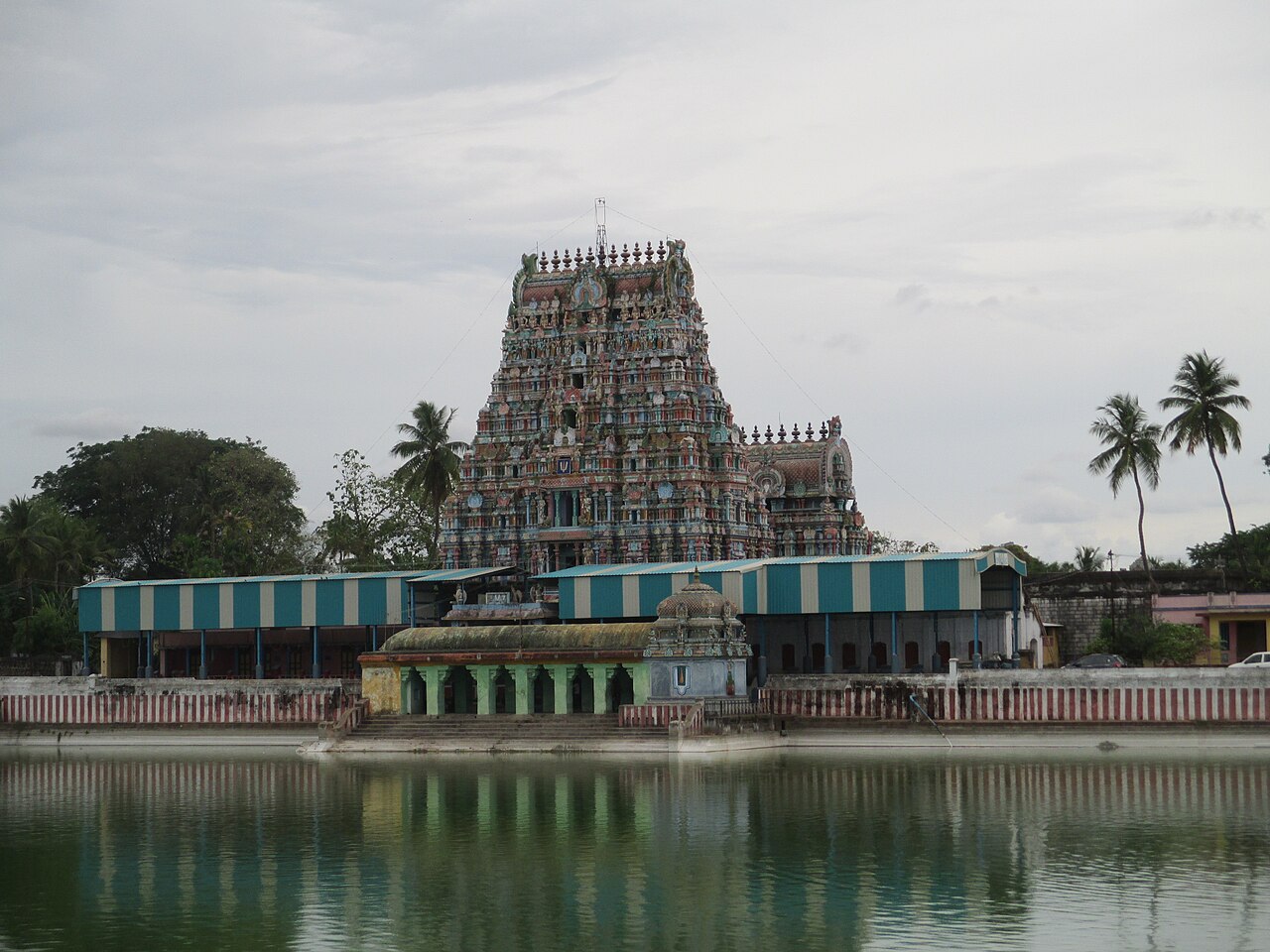
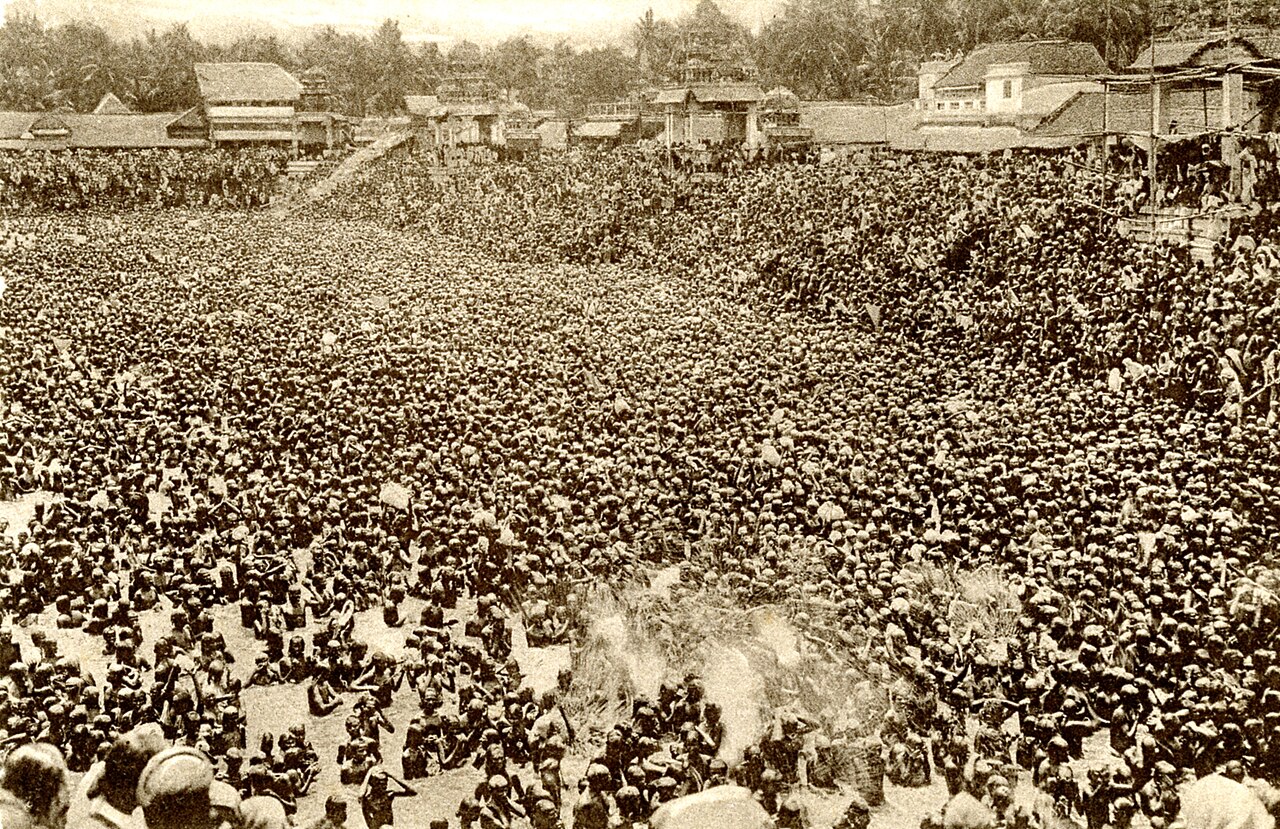
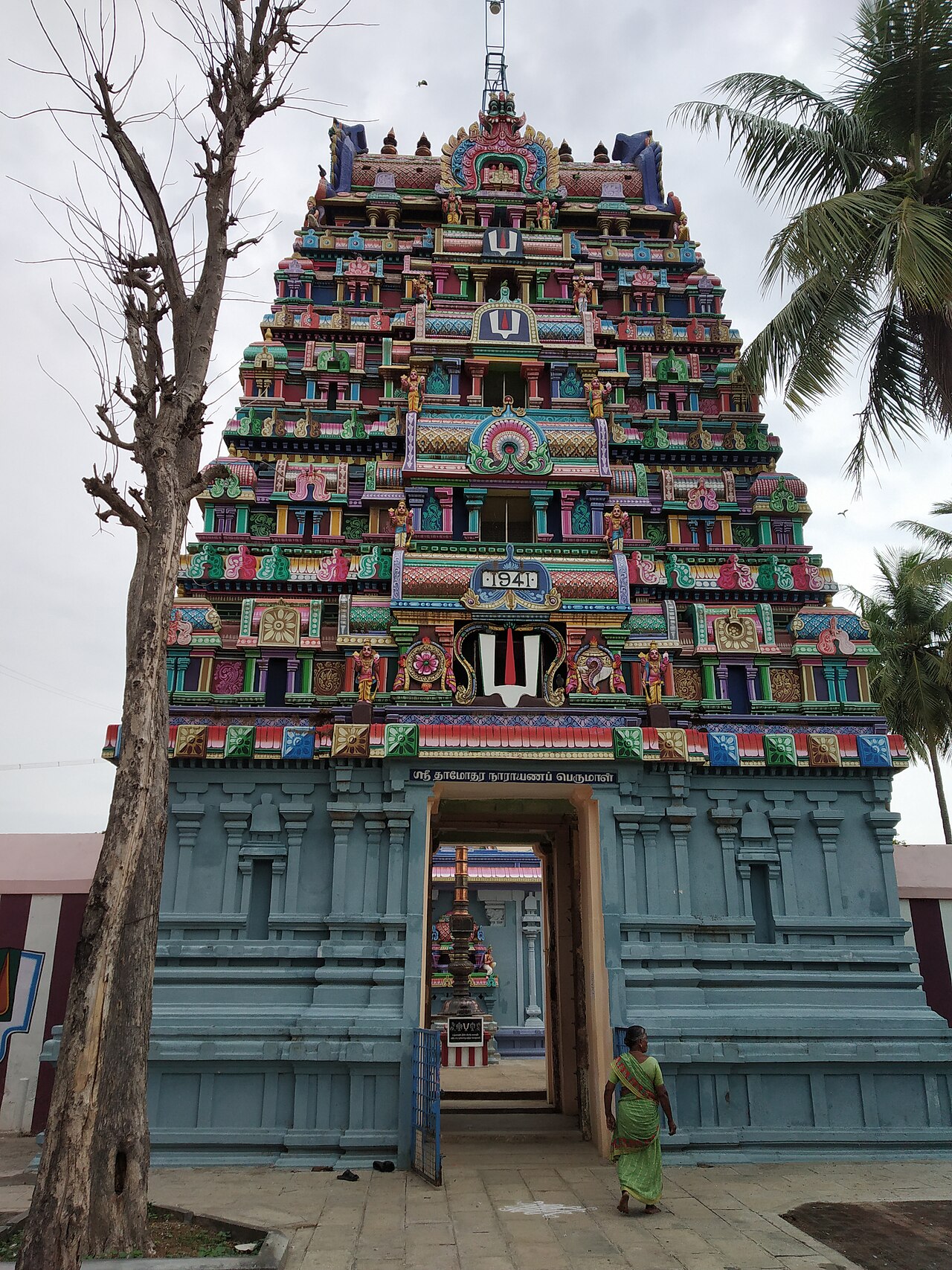
Bhaktavatsala Perumal Temple, Thirukkannamangai
Thirukkannamangai
Ssriram mt · CC BY-SA 4.0 · source
பஞ்ச கிருஷ்ண க்ஷேத்திரங்களில் (காவேரி டெல்டாவின் ஐந்து கிருஷ்ண ஸ்தலங்களில்) ஒன்று.
Sthala Purāṇam
திருவாரூர் மாவட்டத்தில் அமைந்துள்ள திருக்கண்ணமங்கையின் பக்தவத்சல பெருமாள் கோயில், தம் அடியார்களைத் தம் நெஞ்சாரப் பேணும் இறைவனாகிய பக்தவத்சலராக விஷ்ணுவை வழிபடுகின்றது. திருப்பாற்கடல் கடைந்தபோது தோன்றிய மகாலட்சுமி, விஷ்ணுவை நேரே அணுகுவதற்கு நாணமுற்று, இவ்விடத்திற்கு வந்து அவரைத் தம் கணவராக அடைய விரும்பித் தவம் புரிந்தாள் என்று இதன் ஸ்தல புராணம் கூறுகின்றது; அவள் தவமியற்றிய சோலை லட்சுமி வனம் என்று நினைவுகூரப்படுகின்றது, இறைவன் அவளை மணம்புரிய தம் இருப்பிடத்தை விட்டு எழுந்தருளினார் என்றும் கூறப்படுகின்றது. ஆதலால் இங்குள்ள தாயார் அபிஷேகவல்லியாக வழிபடப்படுகின்றாள். இக்கோயில் திருமங்கை ஆழ்வாருடன் மிகவும் நெருங்கிய தொடர்புடையது; அவர் இதனை நாலாயிர திவ்ய பிரபந்தத்தில் பாடியருளினார்; தம் காதலனைப் பிரிந்து வாடும் தலைவியின் குரலில் இவ்விறைவன்மீது பாசுரங்களை இயற்றியதற்காக அவர் புகழ்பெற்றவர் — அஃது இறைவனோடு ஒன்றுசேர ஆன்மா கொள்ளும் ஏக்கத்தை வெளிப்படுத்துகின்றது. தரிசன புஷ்கரணி எனும் புனிதத் தீர்த்தம், பிரம்மா இங்கு இறைவனை வழிபட்டபோது அவருடைய கமண்டலத்திலிருந்து விழுந்த நீர்த்துளிகளிலிருந்து தோன்றியது என்று நம்பப்படுகின்றது. கண்ணமங்கை எனும் பெயர், இறைவனுக்கு உகந்த இவ்விடத்தின் மங்கலத்தைக் (மங்கை) குறிக்கின்றது என்று கொள்ளப்படுகின்றது. சோழ நாட்டுத் திவ்ய தேசங்களுள், திருக்கண்ணமங்கை இறைவனுடைய வாத்சல்யத்திற்கு — தம்மைச் சரணடைந்தோர்மீது அவர்கொள்ளும் மென்மையான பரிவிற்கு — புகழ்பெற்ற இருப்பிடமாகத் திகழ்கின்றது; கிழக்குநோக்கி நின்ற கோலத்தில் எழுந்தருளியுள்ள இறைவன் ஒவ்வொரு அடியாரையும் கருணையோடு ஏற்றுக்கொள்ளும் தம் ஆயத்த நிலையை வடிவாக்குகின்றார் என்று கொள்ளப்படுகின்றது.
Mangalāśāsanam — the Āḻvār pāsurams
The Lord Bhaktavatsala Perumal with Abhishekavalli of Thirukkannamangai is glorified by:
திருக்கண்ணமங்கை, பக்தவத்சல பெருமாள் மற்றும் தாயார் அபிஷேகவல்லி (அரவிந்த வல்லி) வீற்றிருக்கும் திவ்ய தேசம், திருமங்கை ஆழ்வாரால் மட்டுமே மங்களாசாசனம் செய்யப்பட்டது. அவருடைய முக்கிய பதிகம் பெரிய திருமொழி 7.10 (பாசுரங்கள் 1638-1647) ஆகும்; இதில் ஆழ்வார் காதல் கொண்டு தவிக்கும் நாயகியின் பாவத்தை (நாயகி பாவம்) ஏற்று பெருமாளுக்காக ஏங்குகிறார்; இக்கோயில் அவருடைய சில பிற பாசுரங்களிலும் (எ.கா. 1848, 2008) குறிப்பிடப்படுகிறது. பெருமாள், ஆழ்வாரின் பாடல்களுக்கு ஆவலாய், இங்கு காவேரி டெல்டாவில் அவரிடமிருந்து மங்களாசாசனத்தை வெளிப்படுத்தினார் என ஐதீகம்.
பெரும் புறக்கடலை அடலேற்றினைப் பெண்ணை ஆணை எண்ணில் முனிவர்க்கருள் தருந்தவத்தை முத்தின் திரள் கோவையைப் பத்தராவியை நித்திலத் தொத்தினை அரும்பினை அலரை அடியேன் மனத்தாசையை அமுதம் பொதியின் சுவைக் கரும்பினைக் கனியைச் சென்று நாடிக் கண்ணமங்கையுள் கண்டு கொண்டேனே
perum puRakkadalai adalERRinaip peNNai ANai eNNil munivarkkaruL tharundhavaththai muththin thiraL kOvaiyaip paththarAviyai niththilath thoththinai arumbinai alarai adiyEn manaththAsaiyai amudham podhiyin suvaik karumbinaik kaniyaich chenRu nAdik kaNNamangaiyuL kaNdu koNdEnE
Thirumangai Alvar pours out a garland of epithets for the Lord: He who is the great outer ocean, the mighty bull (lion-like hero), at once feminine and masculine, the fruit of austerity that graces countless sages, a string of clustered pearls, the very life-breath of His devotees, a bunch of pearls, a bud and a blossom, the longing of this servant's heart, sugarcane sweet as packed nectar, a ripe fruit — that very Lord I sought out and found, and beheld Him standing in Thirukkannamangai.
மெய்ந்நலத் தவத்தைத் திவத்தைத் தரும் மெய்யைப் பொய்யினைக் கையிலோர் சங்குடை மைந்நிறக் கடலைக் கடல் வண்ணனை மாலை ஆலிலைப் பள்ளிகொள் மாயனை நென்னலைப் பகலை இற்றை நாளினை நாளையாய் வரும் திங்களை ஆண்டினை கன்னலைக் கரும்பினிடைத் தேறலைக் கண்ண மங்கையுள் கண்டுகொண்டேனே
meynnalath thavaththaith thivaththaith tharum meyyaip poyyinaik kaiyilOr sangudai mainniRak kadalaik kadal vaNNanai mAlai Alilaip paLLikoL mAyanai nennalaip pagalai iRRai nALinai nALaiyAy varum thingaLai ANdinai kannalaik karumbinidaith thERalaik kaNNamangaiyuL kaNdukoNdEnE
He is true austerity of genuine merit, the truth that grants the divine realm, yet (to the deceitful) appears as untruth; the dark sea-hued Lord bearing a conch in His hand, the great Vishnu (Maal), the wonder-worker who reclines on a banyan leaf; He is yesterday, today and this very day, the moon (month) that comes as tomorrow, and the year itself; He is jaggery and the clear sweet juice within sugarcane — that Lord I found and beheld in Thirukkannamangai.
venjinak kaLiRRai viLangAy vIzhak / kanRu vIsiya Isanai pEy magaL / thunja nanju suvaiththuNda thOnRalaith / thOnRal vAL arakkan kedath thOnRiya / nanjinai amudhaththinai nAdhanai / nachchuvAr uchchi mEl niRkum nambiyai / kanjanaith thunja vanjiththa vanjanaik / kaNNamangaiyuL kaNdu koNdEnE
Thirumangai Alvar declares: 'I have seen and obtained Him at Thirukkannamangai' - the Lord who as a child hurled the calf (Vatsasura) to strike down the wood-apple demon (Kapitthasura), who sucked the life out of the ogress Putana along with her poisoned milk, who incarnated to destroy the sword-wielding demon Ravana; He who is poison to His enemies but nectar to His devotees, the Lord (Nathan) who ever stands upon the heads (as the cherished refuge) of those who desire Him, the deceiver who tricked and slew Kamsa.
kaNNamangaiyuL kaNdu koNdEn enRu / kAdhalAl kalikanRi urai seydha / vaNNa oN thamizh onbadhOdu onRivai / vallarAy uraippAr madhiyam thavazh / viNNil viNNavarAy magizhveydhuvar / meymmai sollil veN sangam onREndhiya / kaNNa nindhanakkum kuRippAgil / kaRkalAm kaviyin poruL thAnE
The concluding (phalashruti) verse: Kalikanri (Thirumangai Alvar), out of love and saying 'I have beheld Him at Thirukkannamangai', composed these ten beautiful, melodious Tamil verses. Those who can master and recite them will rejoice in the heavens, becoming celestials in the moon-traversed sky. The Alvar even tells the Lord (who bears the white conch): if it pleases You, the very meaning of this poetry is worth learning.
Tamil text & meaning sourced from divyaprabandham.koyil.org and other Śrī Vaiṣṇava authorities — please cross-check the linked source for the canonical reading.
Read the pāsurams ↗Plan your visit
📍 10.79944, 79.58694
Routes, distances, hotels and restaurants open in Google Maps with live data. Build a phased pilgrimage plan →