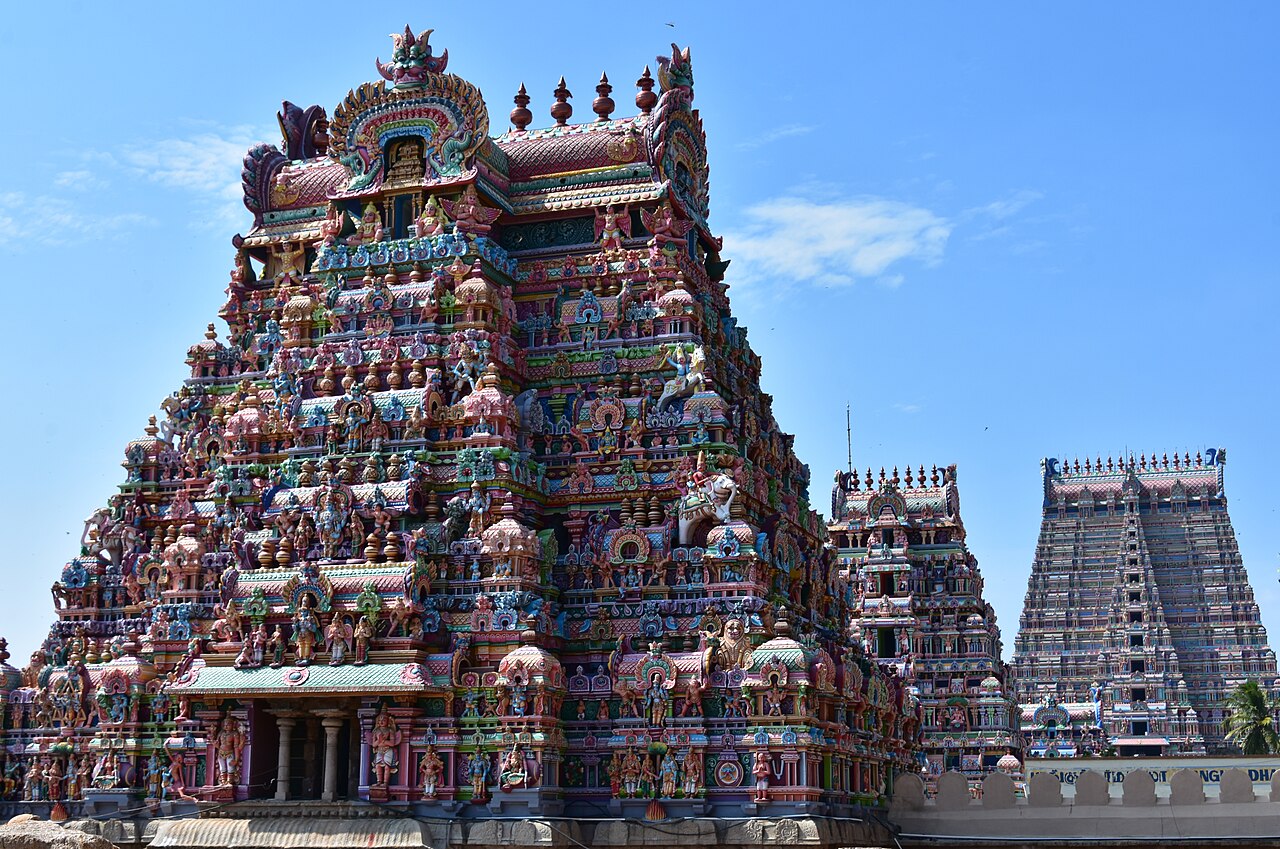
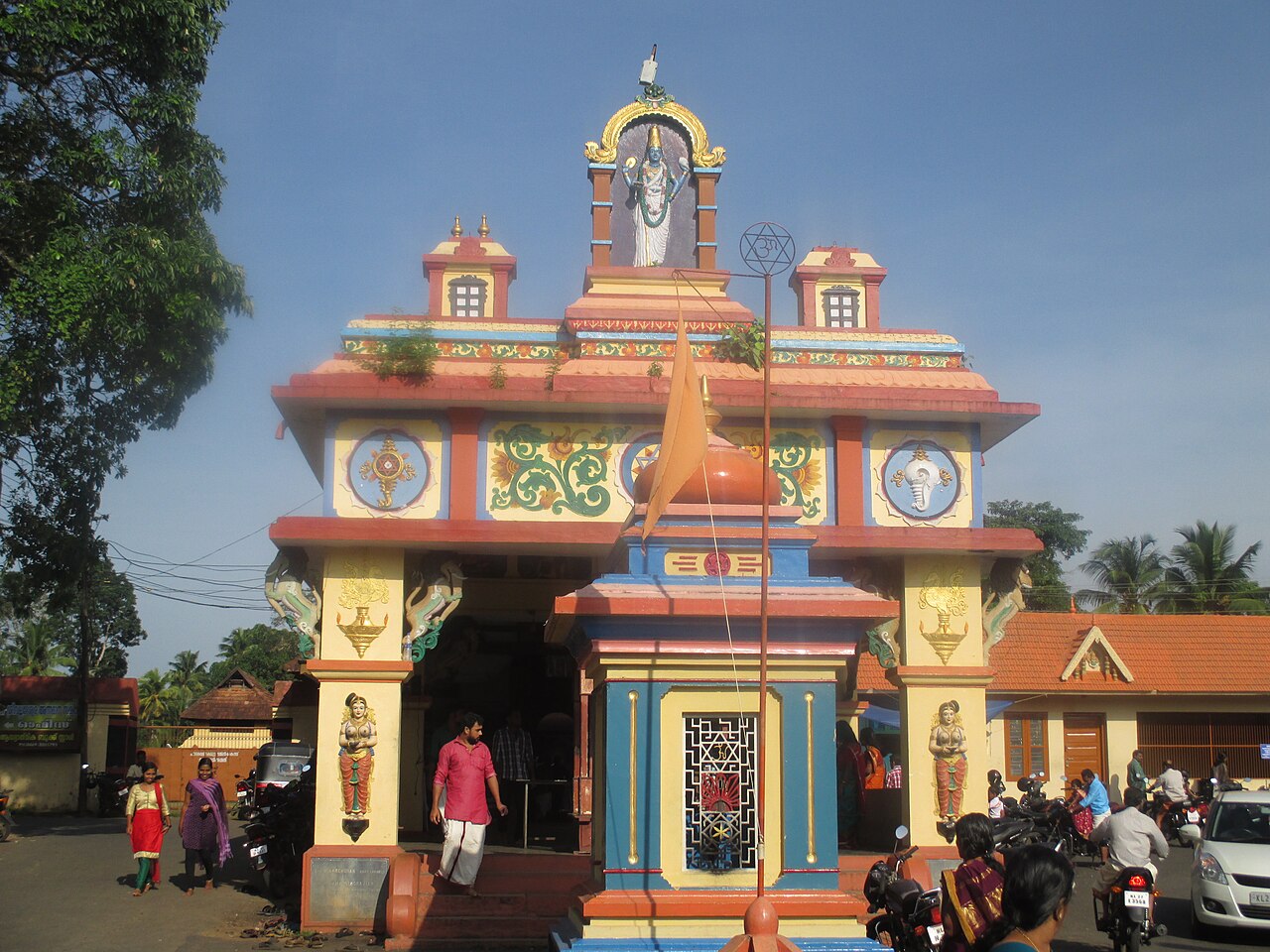
Pambanaiappan Mahavishnu Temple, Thiruvanvandoor
Thiruvanvandoor
Ssriram mt · CC BY-SA 4.0 · source
One of the five Pancha Pandava Divya Desams; attributed to Nakula.
Sthala Purāṇam
Thiruvanvandoor, near Chengannur in Alappuzha district, is the Divya Desam where the Lord is worshipped as Pambanaiappan, also called Kamalanathan. The name Pambanaiappan is traditionally derived from Paambu-anai-appan, linking the Lord to the serpent-couch and to the nearby Pamba river. The Thaayar is Kamalavalli Nachiyar, and the deity stands in Nindra Thirukkolam (standing posture). The Vimanam is the Vedasara (Vedhalaya) Vimanam and the sacred theerthams include the Pamba Theertham. This is one of the five Pancha Pandava temples of the Chengannur area, attributed to Nakula, the fourth Pandava, who is believed to have installed the image during the brothers' post-war pilgrimage, when each prince consecrated a form of Krishna along the Pamba. The chief sthala purana relates that the sage Narada, having received a curse (sabham) from Brahma, came here and worshipped Pambanaiappan; the Lord appeared before him and expounded the Naradeeya Purana, conveying knowledge (gnana) and the harmony of devotion. The immortal sage Markandeya is also said to have received the Lord's grace at this shrine. The temple was sung by Nammalvar, who composed ten paasurams in the Nalayira Divya Prabandham glorifying this Lord, counting it among the 108 Divya Desams. It is built in the Kerala style.
Mangalāśāsanam — the Āḻvār pāsurams
The Lord Pambanaiappan (Kamalanathan) with Kamalavalli Nachiyar of Thiruvanvandoor is glorified in 10 pāsurams by:
Thiruvanvandoor (Pambanaiappan / Kamalanathan Mahavishnu temple, one of the five ancient Chengannur-area shrines in Kerala, a Malai Nadu Divya Desam) had its Mangalasasanam sung solely by Nammalvar. He devoted the eleven-verse decade Thiruvaaymozhi 6.1 ('vaigal pUngazhivaay', Nalayira Divya Prabandham 3227-3237) to it, a celebrated 'bird-messenger' (dootha) decade in which the love-lorn Parankusa Nayaki sends storks, herons and other birds to carry her message of longing to the discus-bearing Lord eternally residing at fertile, paddy-rich Thiruvanvandoor.
வைகல் பூங்கழிவாய் வந்து மேயும் குருகினங்காள்! செய் கொள் செந்நெல் உயர் திருவண்வண்டூர் உறையும் கை கொள் சக்கரத்து என் கனி வாய்ப் பெருமானைக் கண்டு கைகள் கூப்பிச் சொல்லீர் வினையாட்டியேன் காதன்மையே
vaigal pUngazhivaay vandhu mEyum kuruginangaaL! sey koL sennel uyar thiruvaNvaNdUr uRaiyum kai koL chakkaraththu en kani vaayp perumaanaik kaNdu kaigaL kUppich chollEer vinaiyaatiyEn kaadhanmaiyE
Opening verse of Nammalvar's Thiruvanvandoor decade. In the voice of the separated heroine, the Alvar addresses storks/herons that come to feed each day in the flowering backwaters, and beseeches them: go to my Lord who eternally resides at lofty Thiruvanvandoor (thiruvaNvaNdUr) where fine paddy grows tall, the Lord with sweet fruit-like lips who bears the divine discus in His hand, fold your wings in salute before Him, and tell Him of the depth of my love and longing, wretched as I am.
More verses & references (1)
- The whole decade Thiruvaaymozhi 6.1 ('vaigal pUngazhivaay'), of eleven verses (Nalayira Divya Prabandham 3227-3237 region), is Nammalvar's Mangalasasanam for Thiruvanvandoor. Throughout the decade Parankusa Nayaki dispatches various birds as messengers (dootha) to the Lord (Pambanaiappan / Kamalanathan) residing at this shrine, an outpouring of viraha-bhakti, love in separation. — Nammalvar, Thiruvaaymozhi 6.1 · source ↗
Tamil text & meaning sourced from divyaprabandham.koyil.org and other Śrī Vaiṣṇava authorities — please cross-check the linked source for the canonical reading.
Read the pāsurams ↗Gallery


Tap an image to view it larger — use ‹ › to browse, ✕ to close. Images via Wikimedia Commons.
Plan your visit
📍 9.34306, 76.57972
Routes, distances, hotels and restaurants open in Google Maps with live data. Build a phased pilgrimage plan →