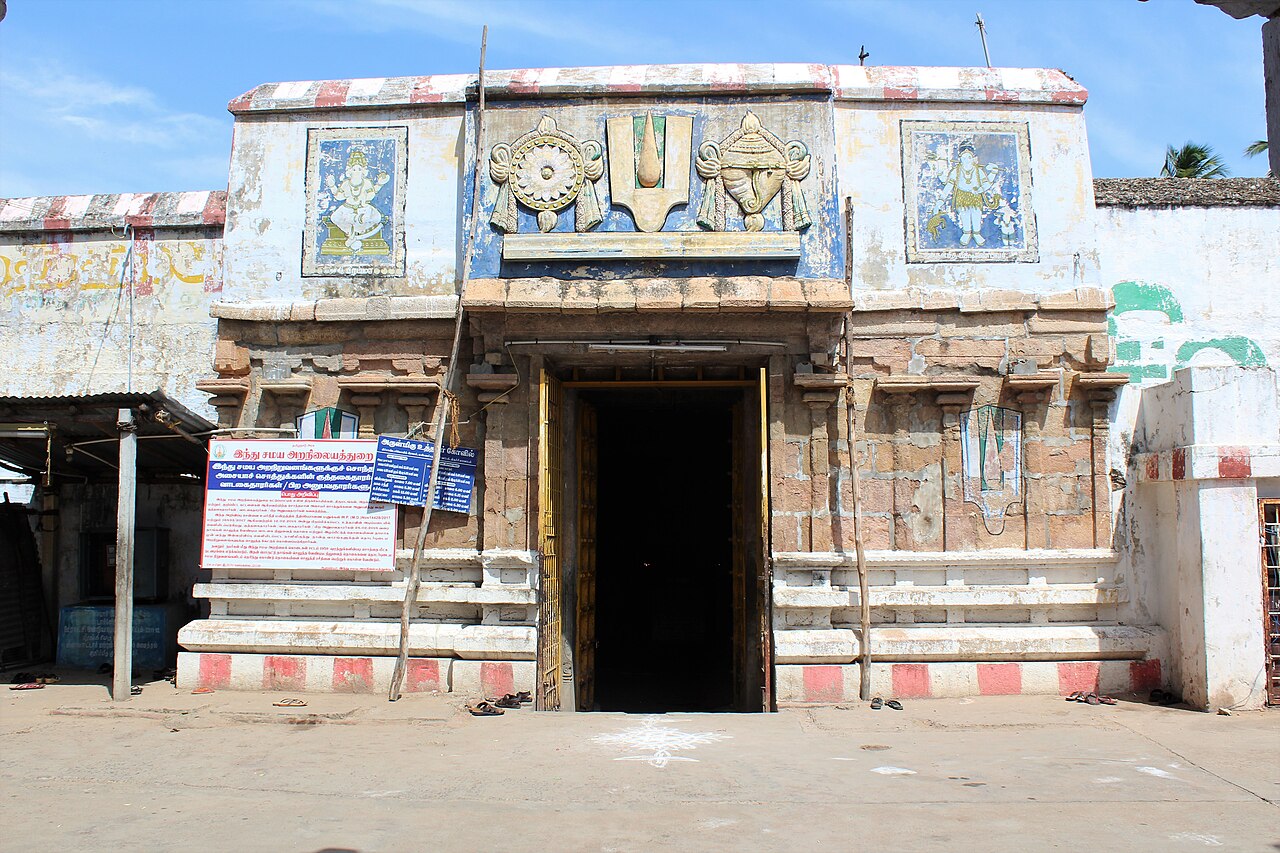
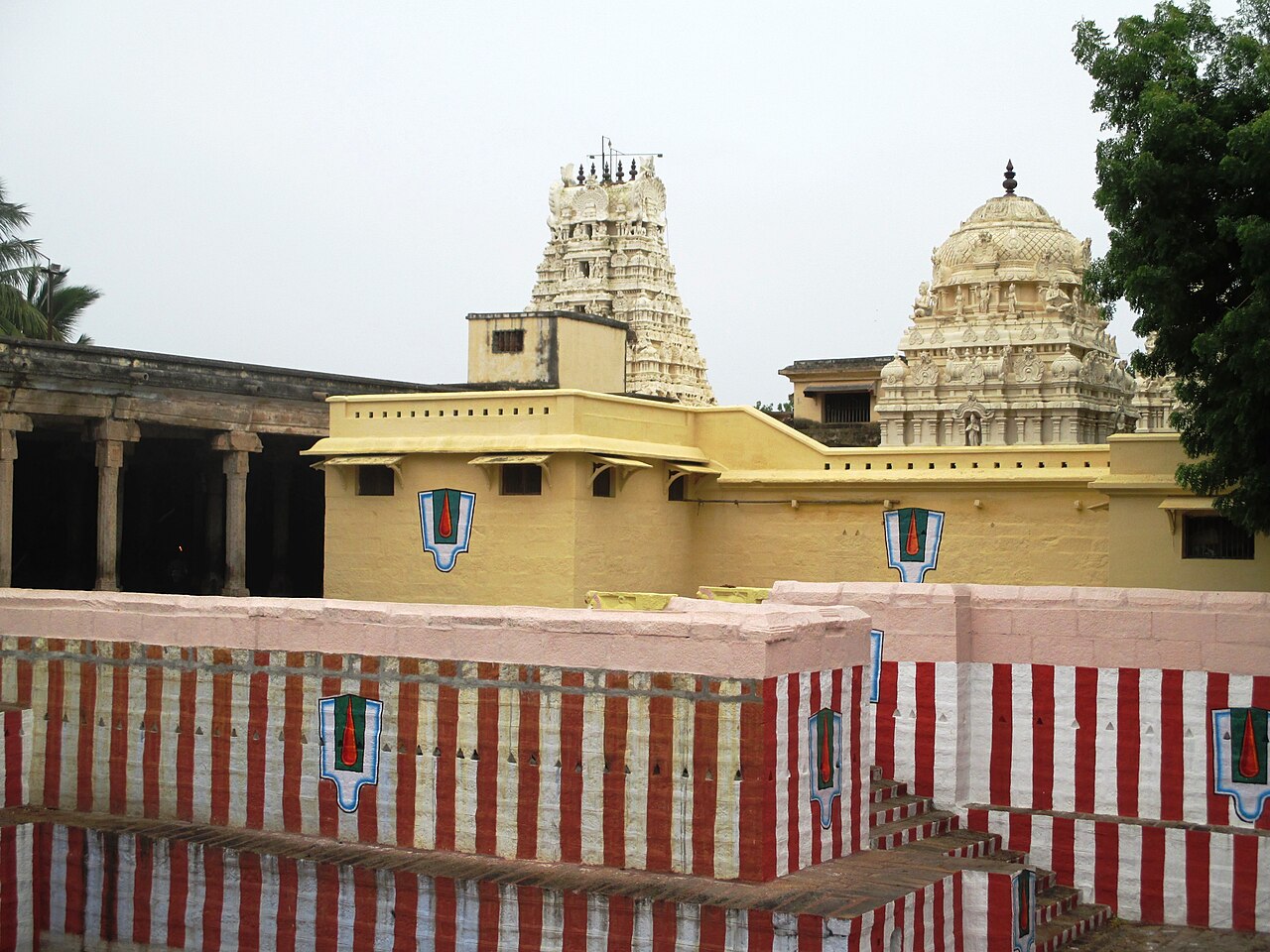
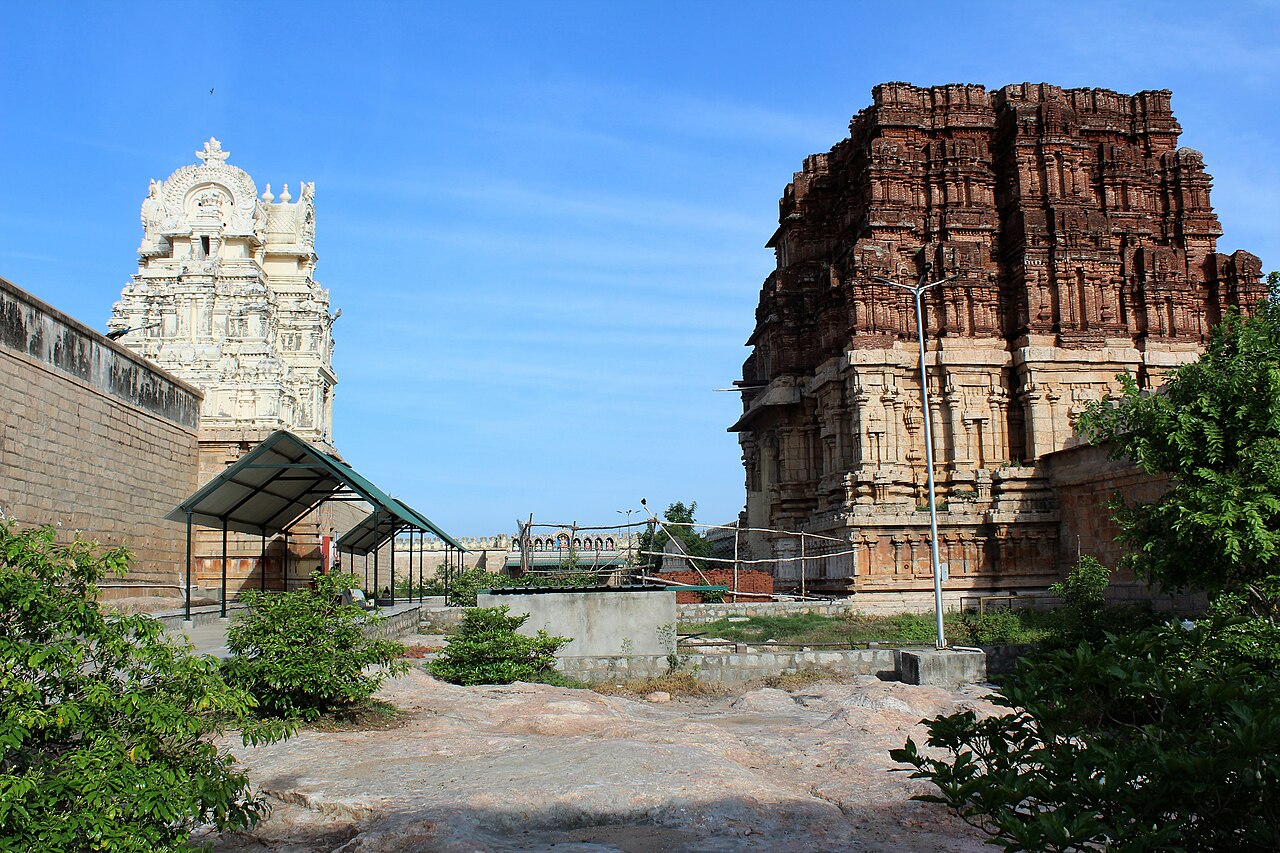
Srirangam Ranganathaswamy Temple
Thiruvarangam
RUPESH MAURYA · CC BY-SA 4.0 · source
The foremost (first) among the 108 Divya Desams and the largest functioning Hindu temple complex in the world.
Sthala Purāṇam
Srirangam, hailed as Bhoolokavaikuntham (Vaikuntha on earth) and the foremost of the 108 Divya Desams, enshrines Lord Ranganatha (Periya Perumal) reclining upon the serpent Adisesha within the sacred Pranava Vimana, shaped like the Om syllable. According to the Sriranga Mahatmyam, this self-manifest archa was worshipped by Brahma in Satyaloka and passed down the Ikshvaku line to Ayodhya, where Rama venerated it. After vanquishing Ravana, Rama gifted the deity to Vibhishana, the righteous Rakshasa king, who bore it toward Lanka. Halting on the island formed between the Kaveri and Kollidam rivers to perform his sandhyavandanam, Vibhishana found the Lord would not be lifted again, for Ranganatha chose this isle as His eternal abode, promising to gaze ever southward toward Vibhishana's Lanka. This is why the Lord reclines facing south. The early Chola king Dharmavarma consecrated the shrine, and Killivalavan later rebuilt it after a Kaveri flood. Uniquely among Divya Desams, Srirangam is sung by all twelve Alvars, garlanded with 247 pasurams; Andal is believed to have merged with Ranganatha upon completing her vows. The consort Goddess is Ranganayaki (Sri Ranganachiyar), the form of Mahalakshmi. The names signify the Lord (natha) of the stage or sanctum (ranga), worshipped here as the supreme refuge of all souls.
Mangalāśāsanam — the Āḻvār pāsurams
The Lord Ranganatha (Periya Perumal) with Ranganayaki of Thiruvarangam is glorified in 247 pāsurams by:
Srirangam (Thiruvarangam), where Lord Ranganatha (Periya Perumal) reclines on Adisesha facing south beneath the Om-shaped Pranava Vimana, is the foremost (first) of the 108 Divya Desams and uniquely the only abode sung by all twelve Alvars, garlanded with 247 pasurams in the Nalayira Divya Prabandham. Among the Alvars, Thondaradippodi Alvar is distinguished as the one who sang exclusively on Ranganatha — his entire Thirumalai (45 verses) and Thiruppalliyezhuchi (10 verses) are mangalasasanam of Srirangam alone. Thiruppaan Alvar's Amalanadhipiran (10 verses) is wholly devoted to Periya Perumal: composed as he was carried before the sanctum by Lokasarangar, it sings the Lord's divine form from feet to face, the Alvar attaining moksha at its close. Two of the most celebrated Srirangam pasurams are presented here: Amalanadhipiran 1, where the Alvar's eyes are captured by the Lord's lotus feet; and Thirumalai 2 ('pachchai mā malai pōl mēni'), the emerald-mountain description of Ranganatha in which the Alvar rejects even Indra's heaven for the sweetness of glorifying the Lord of Srirangam. Other Alvars who gave mangalasasanam include the three Mudhal Alvars (Poigai, Bhoothath, Pey), Thirumalisai, Kulasekhara, Periyalvar, Andal (who is believed to have merged with Ranganatha here), Thirumangai (Periya Thirumozhi), and Nammalvar (Thiruvaymozhi 7.2 'karpar' decad is addressed to Koyil/Srirangam).
அமலனாதிபிரான் அடியார்க்கு என்னை ஆட்படுத்த விமலன் விண்ணவர்கோன் விரையார் பொழில் வேங்கடவன் நிமலன் நின்மலன் நீதிவானவன் நீள்மதிள் அரங்கத்தம்மான் திருக் கமல பாதம் வந்து என் கண்ணினுள்ளன ஒக்கின்றதே.
amalanAdhipirAn adiyArkku ennai AtpaDutta / vimalan viNNavarkOn viraiyAr pozhil vEngaDavan / nimalan ninmalan nIdhivAnavan nILmadhiL arangaththammAn thiruk / kamala pAdham vandhu en kaNNinuLLana okkinDRadhE
The flawless one (Amalan), the primordial Lord and benefactor who made me a servant to His devotees; the pure one (Vimalan), king of the celestials, Lord of fragrant-groved Venkatam; the stainless, immaculate, righteous heavenly one, the Lord of Srirangam girt with lofty ramparts — His sacred lotus feet have come and settled within my eyes (as though dwelling there).
கொண்டல் வண்ணனைக் கோவலனாய் வெண்ணெய் உண்ட வாயன் என் உள்ளம் கவர்ந்தானை அண்டர் கோன் அணி அரங்கன் என் அமுதினைக் கண்ட கண்கள் மற்றொன்றினைக் காணாவே.
koṇḍal vaṇṇanaik kōvalanāy veṇṇey / uṇḍa vāyan en uḷḷam kavarndhānai / aṇḍar kōn aṇi arangan en amudhinaik / kaṇḍa kaṇgaḷ maḏṟonḏṟinaik kāṇāvē
Him of the hue of the rain-cloud, who as the cowherd (Krishna) ate butter with that mouth, who stole away my heart; the king of the celestials, the beautiful Lord of Srirangam, my nectar — the eyes that have once beheld Him will never look upon anything else.
காவலில் புலனை வைத்துக் கலிதன்னைக் கடக்கப் பாய்ந்து, நாவலிட்டு உழி தருகின்றோம் நமன் தமர் தலைகள் மீதே, மூவுலகு உண்டு உமிழ்ந்த முதல்வ நின் நாமம் கற்ற, ஆவலிப் புடைமை கண்டாய் அரங்கமா நகர் உளானே.
kāvalil pulanai vaiththuk kalithannaik kaḍakkap pāyndhu, nāvaliṭṭu uzhi tharuginṛōm naman thamar thalaigaḷ mīdhē, mūvulagu uṇḍu umizhndha mudhalva nin nāmam kaṛṛa, āvalip puḍaimai kaṇḍāy araṅgamā nagar uḷānē.
O Primordial Lord who swallowed and spat out the three worlds, who dwells in the great city of Arangam (Srirangam)! Though I let my five senses roam unguarded and indulged in sin, by leaping clear across the ocean of the dark Kali age and loudly singing aloud, we now wander even treading upon the heads of Yama's messengers (with no fear of death). See the exuberant boldness that learning Your divine names has given us!
கதிரவன் குணதிசைச் சிகரம் வந்தணைந்தான் கன இருள் அகன்றது காலையம் பொழுதாய், மது விரிந்து ஒழுகின மா மலர் எல்லாம் வானவர் அரசர்கள் வந்து வந்து ஈண்டி, எதிர் திசை நிறைந்தனர் இவரொடும் புகுந்த இருங் களிற்று ஈட்டமும் பிடியொடு முரசும், அதிர்தலில் அலை கடல் போன்றுளது எங்கும் அரங்கத்தம்மா பள்ளி எழுந்தருளாயே.
kadhiravan guṇadhisaich chigaram vandhaṇaindhān kana iruḷ aganṛadhu kālai-am pozhudhāy, madhu virindhu ozhugina mā malar ellām vānavar arasargaḷ vandhu vandhu īṇḍi, edhir thisai niṛaindhanar ivaroḍum pugundha iruṅ kaḷiṛṛu īṭṭamum piḍiyoḍu murasum, adhirthalil alai kaḍal pōnṛuḷadhu eṅgum araṅgaththammā paḷḷi ezhundharuḷāyē.
The sun has risen and reached the peak of the eastern mountain; the thick darkness of night has fled and it is now the cool dawn hour. Honey is brimming and trickling from all the great blossoming flowers. The celestials and kings have come gathering, thronging again and again, and have filled the eastern (entrance) direction; the host of huge male elephants that entered along with them, together with the female elephants and the drums, resounds so that everywhere it is like a surging, roaring ocean. O Lord of Arangam (Srirangam, Ranganatha)! Be pleased to rise and awaken from Your sacred repose.
உந்தி மேல் நான்முகனைப் படைத்தான் உலகுண்டவன் எந்தை பெம்மான் இமையோர்கள் தாதைக்கு இடம் என்பரால் சந்தினோடு மணியும் கொழிக்கும் புனல் காவிரி அந்தி போலும் நிறத்தார் வயல் சூழ் தென்னரங்கமே
undhi mEl nAnmuganaip padaiththAn ulagu uNdavan / endhai pemmAn imaiyOrgaL thAdhaikku idam enbarAl / sandhinOdu maNiyum kozhikkum punal kAviri / andhi pOlum niRaththAr vayal sUzh thennarangamE
They say the abode of my Lord and Father — who created the four-faced Brahma upon His navel (undhi), who swallowed and held all the worlds (at the deluge), and who is the Lord even of the celestials' progenitor — is beautiful southern Arangam (Srirangam): girt by fields whose people are dusk-hued, where the waters of the Kaveri river wash down sandalwood logs and gems.
கங்குலும் பகலும் கண் துயில் அறியாள் கண்ண நீர் கைகளால் இறைக்கும் சங்கு சக்கரங்கள் என்று கை கூப்பும் தாமரைக் கண் என்றே தளரும் எங்ஙனே தரிக்கேன் உன்னை விட்டு என்னும் இரு நிலம் கை துழாவிருக்கும் செங்கயல் பாய் நீர்த் திருவரங்கத்தாய் இவள் திறத்தென் செய்கின்றாயே
kangulum pagalum kaṇ thuyil aṟiyāḷ kaṇṇa nīr kaigaḷāl iṟaikkum / sangu sakkarangaḷ enṟu kai kūppum thāmaraik kaṇ enṟē thaḷarum / engaṉē tharikkēṉ uṉṉai viṭṭennum iru nilam kai thuzhāvirukkum / sengayal pāy nīrth thiruvarangaththāy ivaḷ thiṟaththeṉ seyginṟāyē
Night and day she knows no sleep; with her hands she ba, scoops out (the ceaseless) tears from her eyes. 'Conch and discus!' she cries, joining her palms in worship; 'O lotus eyes!' she sighs and grows faint. 'How shall I bear to live, parted from you?' she laments, her hand groping over the wide earth. O Lord of Thiruvarangam (Srirangam) where red carp leap in the waters — what is it you mean to do with this girl (my daughter)?
தேட்டரும் திறல் தேனினைத் தென்னரங்கனைத் திருமாது வாழ் வாட்டமில் வன மாலை மார்வனை வாழ்த்தி மால் கொள் சிந்தையராய் ஆட்டமேவி அலந்து அழைத்து அயர்வு எய்தும் மெய் அடியார்கள் தம் ஈட்டம் கண்டிடக் கூடுமேல் அது காணும் கண் பயன் ஆவதே
thēṭṭarum thiṟal thēṉiṉaith theṉṉaranganaith thirumādhu vāzh / vāṭṭamil vaṉa mālai mārvaṉai vāzhththi māl koḷ sindhaiyarāy / āṭṭamēvi alandhu azhaiththu ayarvu eydhum mey aḍiyārgaḷ tham / īṭṭam kaṇḍiḍak kūḍumēl adhu kāṇum kaṇ payaṉ āvadhē
The southern Lord of Arangam (Srirangam) — honey hard to obtain, of unattainable might — on whose chest dwells Thirumadu (Lakshmi) and a fresh, never-fading forest-garland: if it could be granted that I behold the gathered throng of His true devotees, who praise Him, whose minds are seized with love for Him, who dance and call out in longing and swoon — that alone would be the worthy purpose of having eyes to see.
amalan AdhipirAn adiyArkku ennai Atpaduththa / vimalan viNNavar kOn viraiyAr pozhil vEngadavan / nimalan ninmalan nIdhi vAnavan nIL madhiL arangaththu ammAn thiruk / kamala pAdham vandhu en kaNNin uLLana okkinradhE
Thiruppaan Alvar's opening verse celebrates the divine feet of Periya Perumal (Ranganatha). The Lord, who is utterly pure (amalan) and the cause of all (Adhi piran), of His own grace made the Alvar His servitor and a servant of His devotees too, without expecting anything in return. He is the spotless Lord of the nithyasuris, the Venkatesa of the fragrant groves, the just ruler of Paramapadam, and the great Lord (amman) reclining within the lofty-walled Srirangam (nIL madhiL arangam). His sacred lotus feet have, of their own accord, come and settled within the Alvar's eyes.
pachchai mA malai pOl mEnip pavaLa vAyk kamalach chem kaN / achchuthA amarar ERE Ayar tham kozhundhE ennum / ichchuvai thavira yAn pOy indhira lOgam ALum / achchuvai peRinum vENdEn arangamA nagar uLAnE
Thondaradippodi Alvar describes Sri Ranganatha's divine form: a body like a great emerald-green mountain, coral-red lips, and red lotus eyes. He addresses Him as Achyuta (the unfailing one), the bull (leader) among the celestials, the tender shoot (beloved) of the cowherds. The Alvar declares that giving up this sweetness of glorifying the Lord of Srirangam, he would not desire even the sovereignty of Indra's heaven (Indra-loka); the joy of uttering the Lord's names is supreme to him.
Tamil text & meaning sourced from divyaprabandham.koyil.org and other Śrī Vaiṣṇava authorities — please cross-check the linked source for the canonical reading.
Read the pāsurams ↗Gallery

.jpg)
_(13887774522).jpg)
_(13903661293).jpg)
Tap an image to view it larger — use ‹ › to browse, ✕ to close. Images via Wikimedia Commons.
Plan your visit
📍 10.86250, 78.68972
Routes, distances, hotels and restaurants open in Google Maps with live data. Build a phased pilgrimage plan →