Sri Ramar Temple, Ayodhya
Thiru Ayodhi
Unknown authorUnknown author · Public domain · source
One of the seven Mukti Kshetras (Sapta Moksha Puris).
Sthala Purāṇam
Thiru Ayodhi, on the banks of the river Sarayu in Uttar Pradesh, is the Divya Desam celebrating Lord Rama, the seventh avatara of Vishnu. The presiding deity is Sri Rama, honoured as Chakravarthi Thirumagan and Raghunayakan, with his consort Sita Piratti. Ayodhya was the capital of the Ikshvaku or Raghu dynasty of the Surya Vamsha, the Solar race. According to the sthala puranam drawn from the Ramayana, the childless King Dasharatha performed the Putrakameshti Yagna under the guidance of the kulaguru sage Vasishtha, and Vishnu incarnated as Rama, born here to bless the dynasty and re-establish dharma upon the earth. Rama grew up in Ayodhya, ruled his kingdom from this city, and at the close of his avatara returned to his divine abode of Paramapada through the waters of the Sarayu. The city is revered as one of the Sapta Puri or Mokshapuris, the seven holy cities, Ayodhya, Mathura, Maya (Haridwar), Kashi, Kanchi, Avantika, and Dwaraka, held to grant liberation from the cycle of birth and death. The Sarayu river serves as the temple tirtham, together with the Paramapada Satya Pushkarini, and tradition names further theerthams including the Indra, Narasimha, Papanasa, Gaja, Bhargava, and Vashishta tirthams. As a Divya Desam, Thiru Ayodhi is glorified in the Nalayira Divya Prabandham, having received mangalasasanam from several Alvars including Periyalvar, Kulasekara Alvar, Thondaradippodi Alvar, Nammalvar, and Thirumangai Alvar, whose verses honour Rama and the sacred city of his birth and reign.
Mangalāśāsanam — the Āḻvār pāsurams
The Lord Rama (Chakravarthi Thirumagan) with Sita (Sita Piratti) of Thiru Ayodhi is glorified in 13 pāsurams by:
Thiru Ayodhi — the birthplace of Sri Rama (Chakravarthi Thirumagan) — is glorified by several Alvars who sing of Rama and the city of Ayodhya. The best-known mangalasasanam is Kulasekhara Alvar's final decad, Perumal Thirumozhi 10 ('angaNedu madhiL'), which narrates the entire Ramayana from Rama's birth in 'rampart-girt Ayodhya' to his ascension, though Kulasekhara frames the decad around the reclining Rama of Thiruchitrakootam. Periyalvar (e.g. in the Kandam Kadinagar decad), Thondaradippodi Alvar, Thirumangai Alvar and Nammalvar also extol Rama and Ayodhya, the input listing about 13 pasurams in total. The opening verse of Kulasekhara's Ramayana decad (10.1, verse 741) is sourced verbatim above. Note: the exact per-Alvar count specifically naming Ayodhya varies between sources, so the wider attribution carries medium certainty.
அங்கணெடுமதிள்புடைசூழயோத்தியென்னும் அணிநகரத்துலகனைத்தும்விளக்கும்சோதி வெங்கதிரோன்குலத்துக்கோர்விளக்காய்த்தோன்றி விண்முழுதுமுயக்கொண்டவீரன் தன்னை செங்கணெடுங்கருமுகிலையிராமன் தன்னைத் தில்லைநகர்த்திருச்சித்ரகூடந்தன்னுள் எங்கள்தனிமுதல்வனையெம்பெருமான்தன்னை என்றுகொலோ? கண்குளிரக்காணும்நாளே.
angaNedu madhiL pudai sUzh ayOththi ennum aNi nagaraththu ulagu anaiththum viLakkum sOdhi / vengadhirOn kulaththukku Or viLakkAyth thOnRi viN muzhudhum uyakkoNda vIran thannai / sengaN nedu karu mugilai irAman thannai thillai nagar thiruchchithrakUdam thannuL / engaL thani mudhalvanai emperumAn thannai enRukolO kaN kuLirak kANum nALE
The radiant light that illumines all the worlds, who appeared as a lamp of the Sun's (Solar) dynasty and as a hero rose the whole heaven-world up — the red-eyed one dark as a great cloud, Rama, born in the beautiful city girt by great fair ramparts called Ayodhya, who now dwells within Thiruchitrakootam in Thillai (Chidambaram) — our sole primordial Lord: when, O when, will be the day I behold him to my eyes' content?
Tamil text & meaning sourced from divyaprabandham.koyil.org and other Śrī Vaiṣṇava authorities — please cross-check the linked source for the canonical reading.
Read the pāsurams ↗Gallery

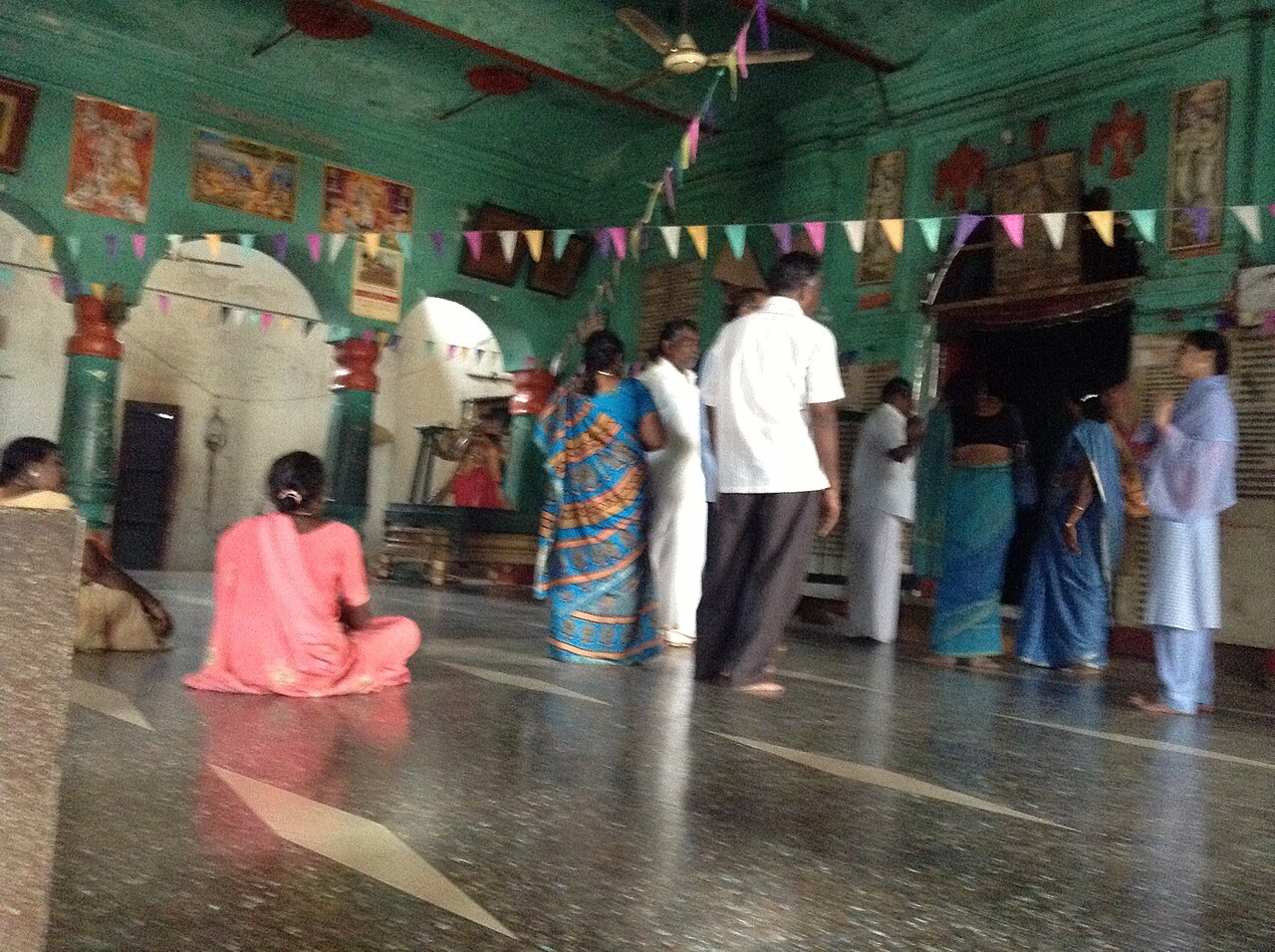
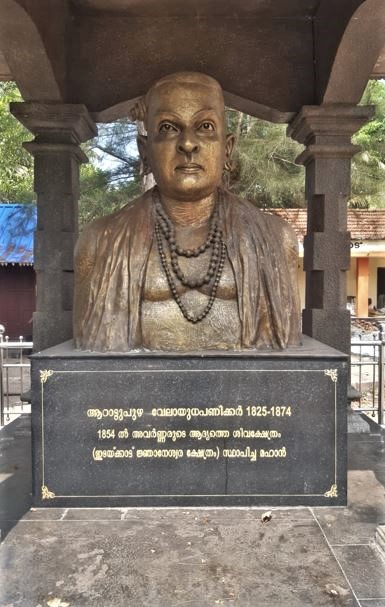
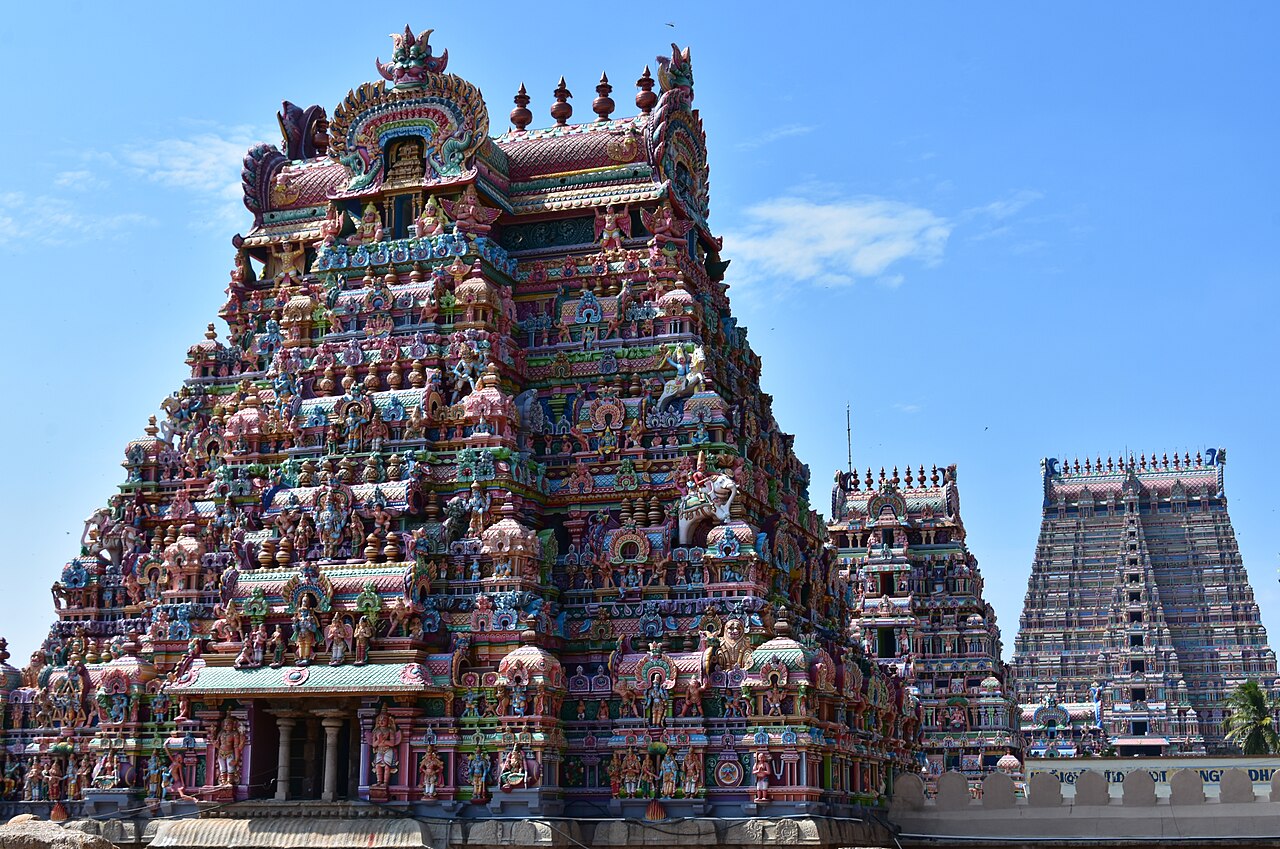
_(11804234493).jpg)

Tap an image to view it larger — use ‹ › to browse, ✕ to close. Images via Wikimedia Commons.
Plan your visit
📍 26.79560, 82.19430
Routes, distances, hotels and restaurants open in Google Maps with live data. Build a phased pilgrimage plan →