Salagramam / Muktinath
Thiru Salagramam
Manavelil · CC BY-SA 4.0 · source
The only Divya Desam located outside India; one of the eight Swayamvyakta kshetras.
Sthala Purāṇam
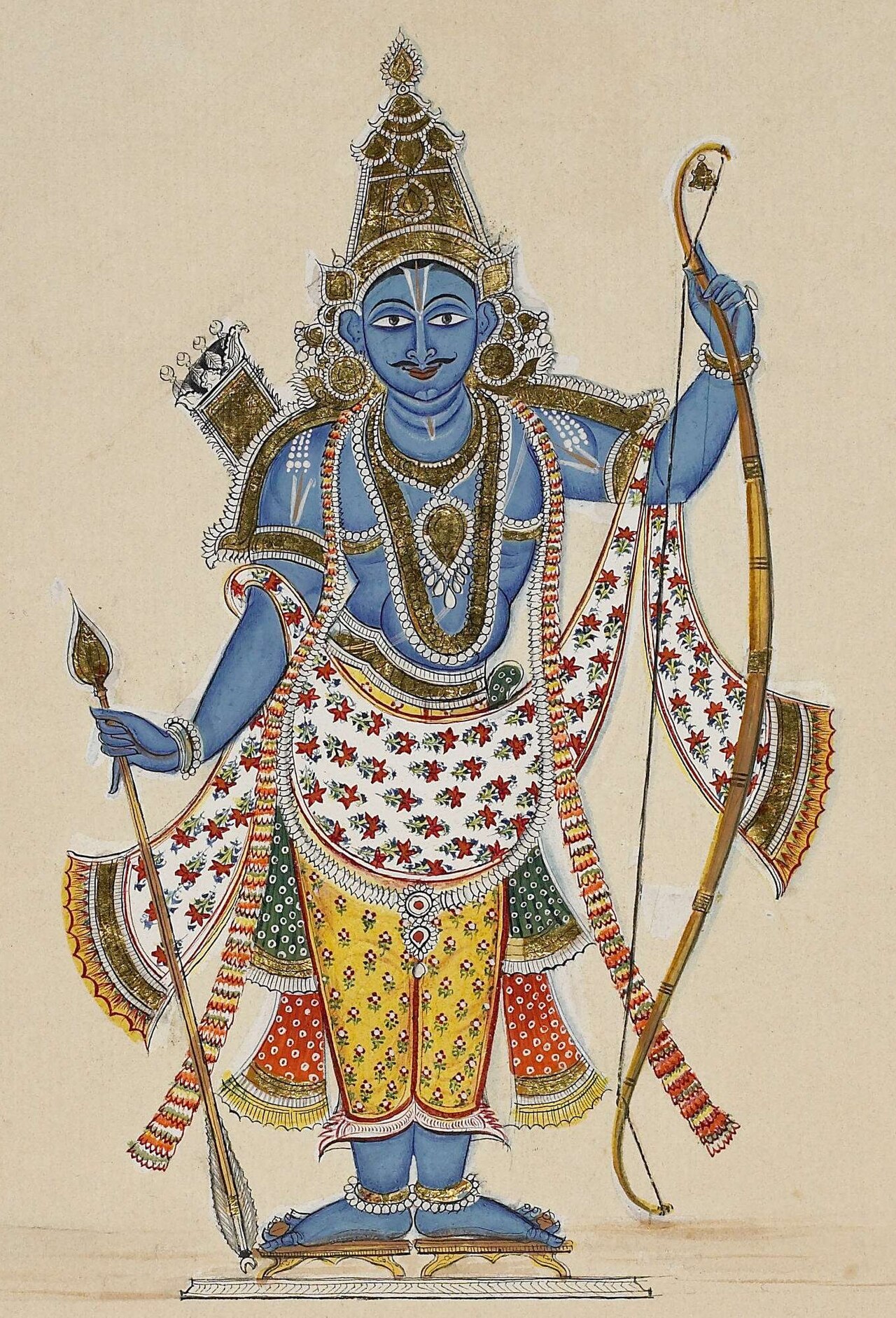
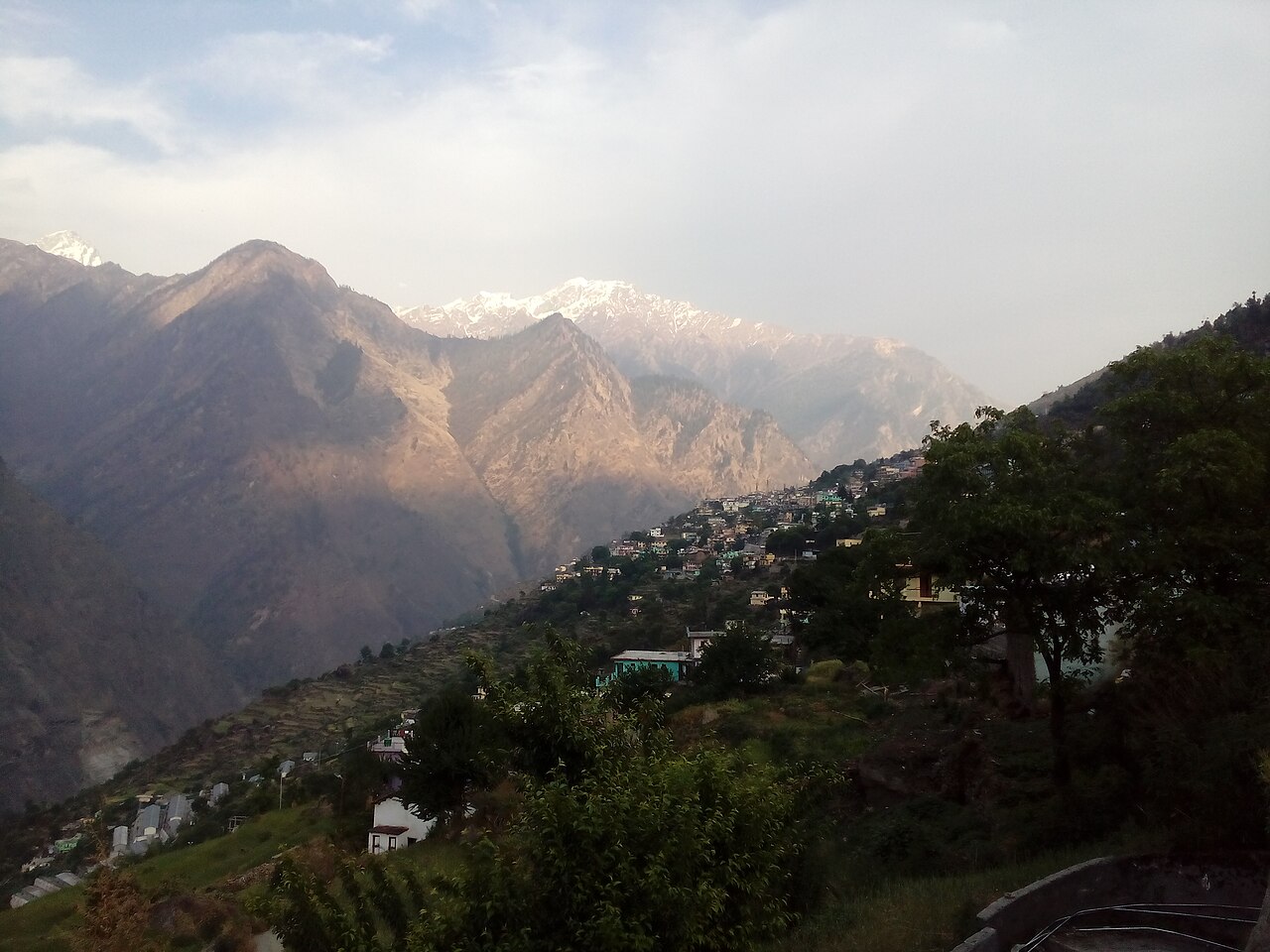
Thiru Salagramam, identified with Muktinath in the Mustang region of Nepal's snow-clad Himalayas (some 140-170 miles from Kathmandu), is reckoned among the northernmost of the 108 Divya Desams and stands on the bank of the Gandaki (Kandaki) river, which is famed as the source of the naturally self-manifesting salagrama shilas - aniconic stones regarded as forms of Sriman Narayana that require no consecration (samprokshanam), with the worship of twelve well-kept salagramas held equivalent to honouring all 108 Divya Desams. The presiding deity is Sri Moorthy Perumal, in standing posture (nindra thirukkolam) facing north, with his consort Sri Devi Nachiyar; the vimanam is the Kanaka Vimanam and the tirthams are the Chakkara Theertham and the Kandaki Nadhi. The sthala puranam centres on Tulasi (the goddess of the holy basil), who was promised union with Sriman Narayana; on fulfilling her destiny the Lord declared that her purity and atma would flow forth as a river - the Gandaki - and that he himself would manifest within its waters as the salagrama stones. A distinctive feature is the wall enclosing the shrine on three sides, from which 108 gomukhs (cow-mouth spouts) pour icy glacial water. In the Nalayira Divya Prabandham this kshetram received mangalasasanam from Periyalvar and Thirumangai Alvar.
Mangalāśāsanam — the Āḻvār pāsurams
The Lord Sri Moorthy Perumal (Srimurthy) with Sri Devi Nachiyar of Thiru Salagramam is glorified in 12 pāsurams by:
Thiru Salagramam — identified with the Sri Murthy / Muktinath shrine on the banks of the Gandaki (Sálagrama) river in Mustang, Nepal — is celebrated as the source of the sacred saligrama stones, regarded as self-manifest forms of Vishnu. Periyalvar offered Mangalasasanam in 2 pasurams (praising the Lord as 'Salagramamudaiya Nambi'), and Thirumangai Alvar dedicated a full decade of 10 pasurams (Periya Thirumozhi 1.5, the 'kalaiyum kariyum' decade), repeatedly urging his own heart, 'reach Salagramam' (sALakkirAmam adai nenjE).
கலையும் கரியும் பரிமாவும் திரியும் கானம் கடந்து போய் சிலையும் கணையும் துணையாகச் சென்றான் வென்றிச் செருக்களத்து மலை கொண்டு அலைநீர் அணைகட்டி மதிள் நீர் இலங்கை வாளரக்கர் தலைவன் தலை பத்து அறுத்துகந்தான் சாளக்கிராமம் அடை நெஞ்சே
kalaiyum kariyum parimAvum thiriyum kAnam kadandhu pOy silaiyum kaNaiyum thuNaiyAgach chenRAn venRich cheruk kaLaththu malai koNdu alaineer aNaikatti madhiL nIr ilangai vALarakkar thalaivan thalai paththu aRuththugandhAn sALakkirAmam adai nenjE
He who crossed the forests where deer, elephants and wild horses roam, with bow and arrows as His only companions, went to the field of victory; building a bridge of mountains across the surging sea He severed the ten heads of the sword-bearing rakshasa-king (Ravana) of moated, water-girt Lanka and rejoiced — O my heart, reach Salagramam, His eternal abode!
Tamil text & meaning sourced from divyaprabandham.koyil.org and other Śrī Vaiṣṇava authorities — please cross-check the linked source for the canonical reading.
Read the pāsurams ↗Plan your visit
📍 28.81708, 83.87169
Routes, distances, hotels and restaurants open in Google Maps with live data. Build a phased pilgrimage plan →