Sri Neelamega Perumal Temple, Devaprayag
Thirukkandam (Kadinagar)
Richard Mortel from Riyadh, Saudi Arabia · CC BY 2.0 · source
Stands at the sacred confluence (prayag) that forms the river Ganga.
Sthala Purāṇam
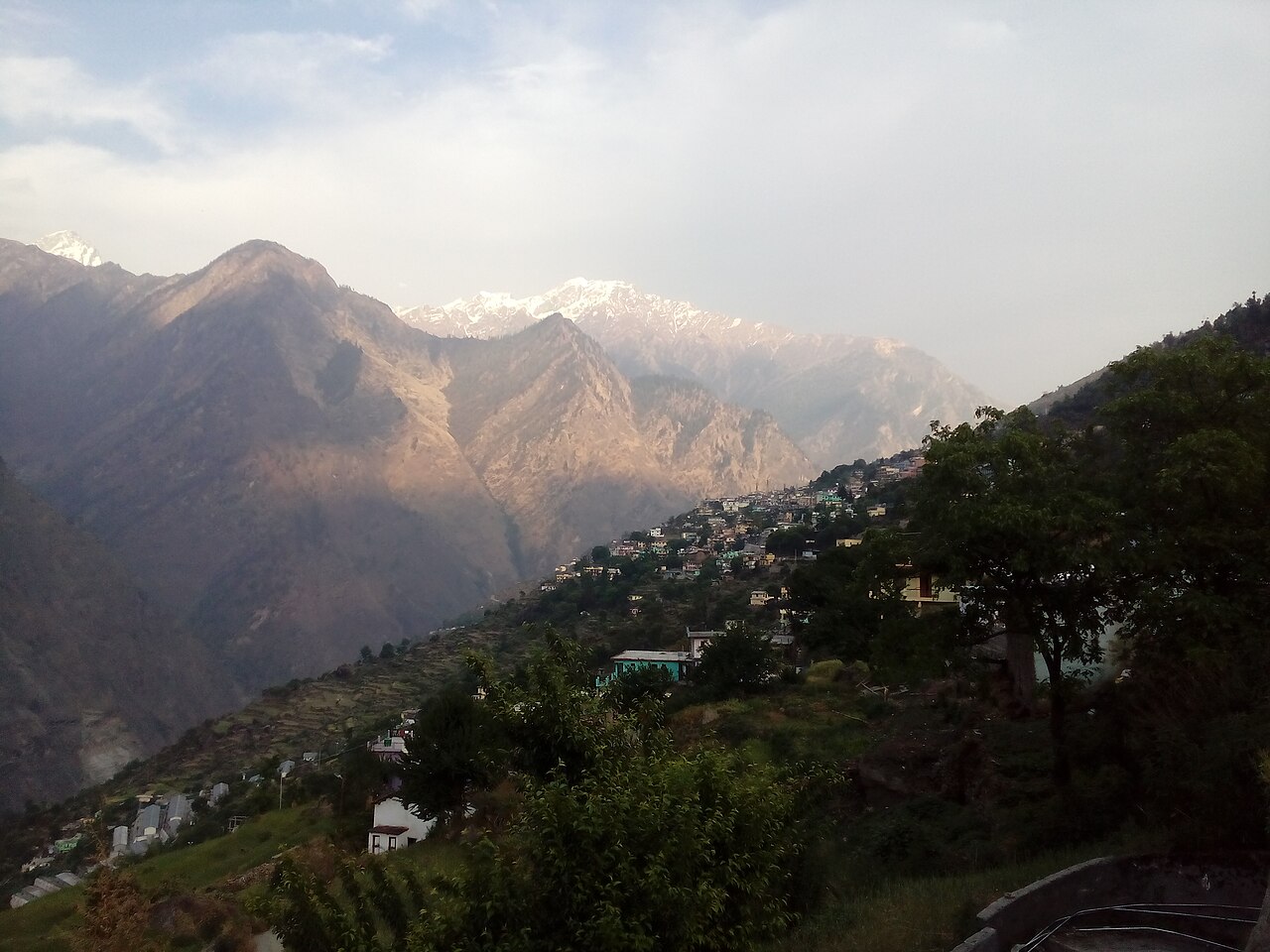
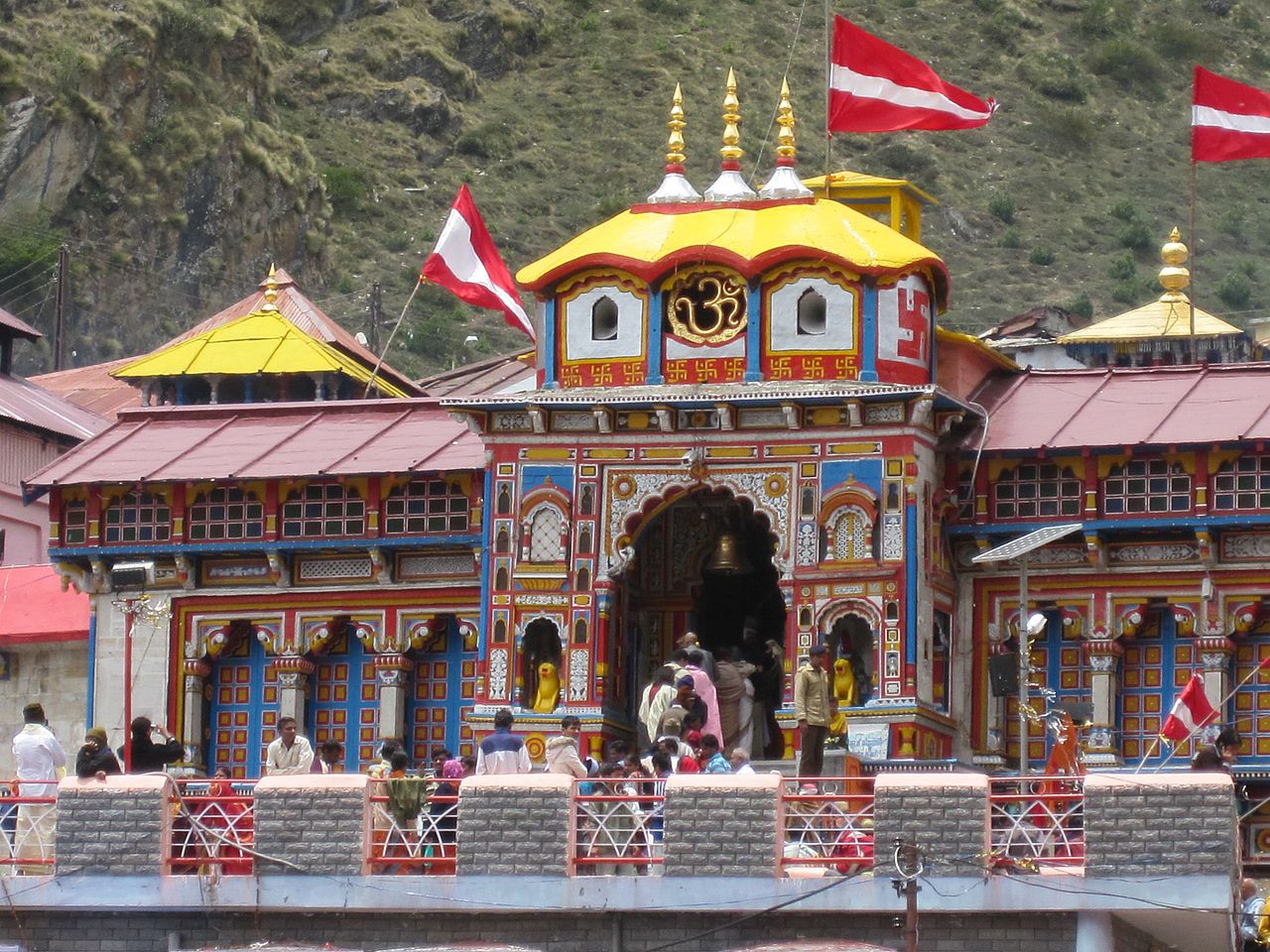
Thirukkandam, also called Kadinagar (Thiru Kandam-ennum Kadinagar), is identified with Devaprayag in Uttarakhand, the first Divya Desam encountered travelling from Haridwar toward Badrinath, lying about 45 miles from Rishikesh at roughly 1,700 feet elevation. Its defining sacred feature is the confluence (prayag) of the Alaknanda and Bhagirathi rivers, which after merging here form the Ganga proper - the union called Aadi Ganga - and from which the name Devaprayag (sacred confluence of the divine rivers) derives. The sthala puranam relates that Brahma, King Dasaratha and Sri Rama performed austerities at this place; an image of Raghunathji is said to have been installed by Adi Shankara. The presiding deity, Sri Neelamega Perumal - also venerated as Purushottaman - stands facing east, and is said to have granted darshan (prathyaksham) to Bharadwaja Maharishi; his consort is Pundareekavalli Thayar. The vimanam is the Mangala Vimanam and the temple's pushkarani is the Mangala Theertham together with the Ganga Nadhi. In the Nalayira Divya Prabandham this kshetram is unique in being sung exclusively by Periyalvar, who composed pasurams of mangalasasanam upon Neelamega Perumal.
Mangalāśāsanam — the Āḻvār pāsurams
The Lord Neelamega Perumal (Purushottaman) with Pundareekavalli of Thirukkandam (Kadinagar) is glorified in 11 pāsurams by:
Thirukkandam — Kandam-ennum-Kadinagar, identified with Devaprayag in the Himalayas where the Alaknanda and Bhagirathi join to form the Ganga — is unique among Divya Desams in that only one Alvar, Periyalvar (Vishnuchittar), sang its mangalasasanam: a complete decad of 11 (commonly counted 10+1) pasurams forming Periyalvar Thirumozhi 4.7. The deity is Neelamega Perumal (Purushottaman). The decad repeatedly extols the sin-destroying power of the Ganga flowing past the Lord's abode and identifies him with Rama. The opening verse (4.7.1) is sourced verbatim above.
தங்கையைமூக்கும்தமையனைத்தலையும் தடிந்த எம்தாசரதிபோய் எங்கும்தன்புகழாவிருந்துஅரசாண்ட எம்புருடோத்தமனிருக்கை கங்கைகங்கையென்றவாசகத்தாலே கடுவினைகளைந்திடுகிற்கும் கங்கையின்கரைமேல்கைதொழநின்ற கண்டமென்னும்கடிநகரே.
thangaiyai mUkkum thamaiyanaith thalaiyum thadindha em dhAsarathi pOy / engum than pugazhA virundhu arasANda em puruDOththaman irukkai / gangai gangai enRa vAsagaththAlE kaduvinai kaLaindhidugiRkum / gangaiyin karaimEl kaithozha ninRa kaNdam ennum kadinagarE
Our Lord, the son of Dasaratha (Rama), who severed the nose of the sister (Surpanakha) and the heads of her brother (Ravana) and then ruled with fame everywhere — that Purushottaman's abode is Kandam, the sacred town (Kadinagar / Devaprayag) standing on the bank of the Ganga, where even merely uttering 'Gangai, Gangai' and worshipping with folded hands destroys one's cruellest sins.
Tamil text & meaning sourced from divyaprabandham.koyil.org and other Śrī Vaiṣṇava authorities — please cross-check the linked source for the canonical reading.
Read the pāsurams ↗Gallery


Tap an image to view it larger — use ‹ › to browse, ✕ to close. Images via Wikimedia Commons.
Plan your visit
📍 30.14556, 78.56444
Routes, distances, hotels and restaurants open in Google Maps with live data. Build a phased pilgrimage plan →