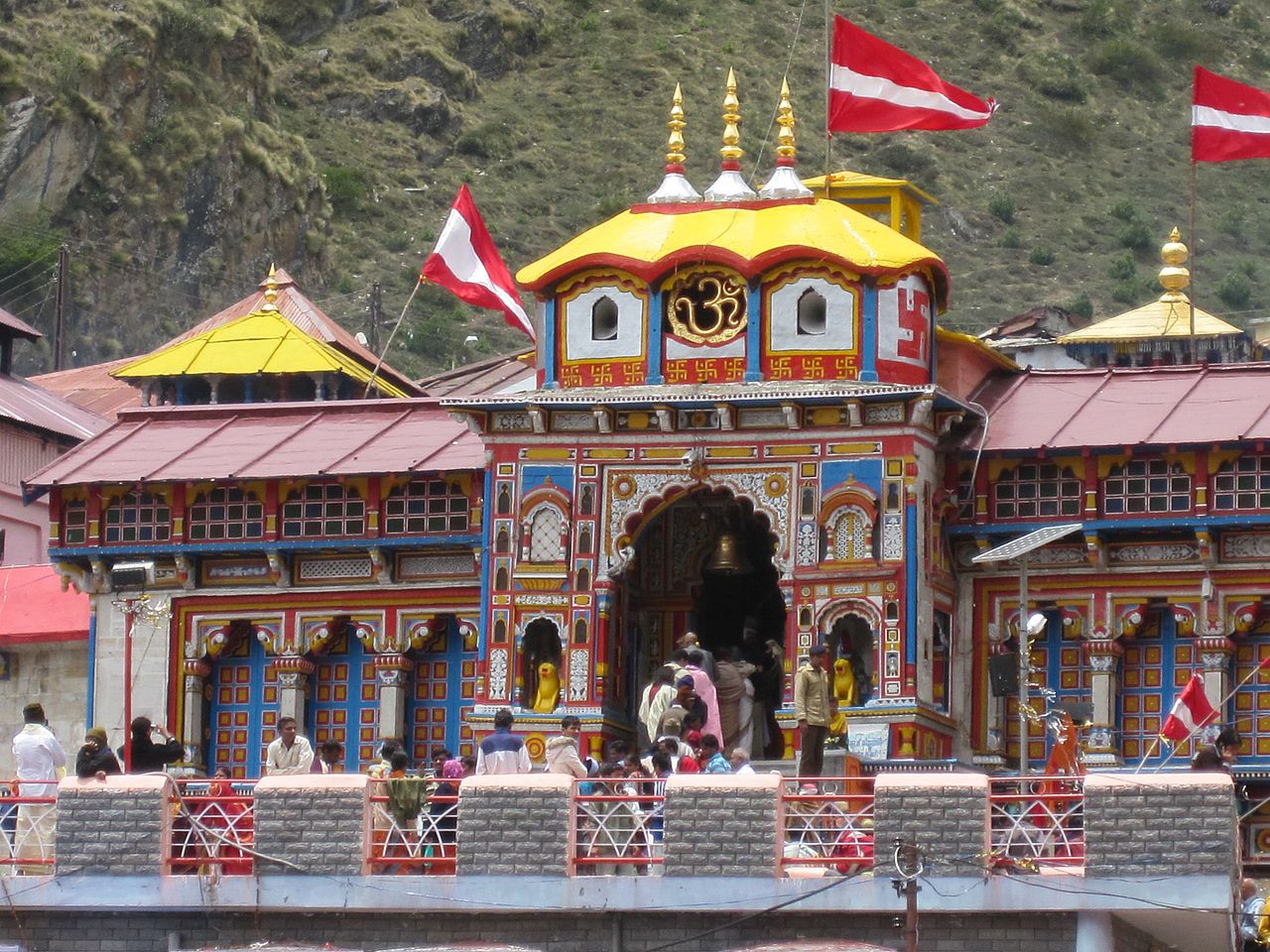
Sri Paramapurusha Perumal Temple, Joshimath
Thiruppiridhi
ArmouredCyborg · CC BY-SA 4.0 · source
Winter seat of Badrinath; associated with Adi Shankara's matha.
Sthala Purāṇam
Thiruppiridhi is generally identified with Joshimath (Jyotirmath) in Chamoli district, Uttarakhand, on the Devaprayag-Badrinath route, and is one of the Himalayan Divya Desams. The name Thiruppiridhi expresses the mutual preethi (loving affection) between the Lord and his devotees. The presiding deity, Sri Paramapurusha Perumal (Paramapurushan), reclines in bhujanga-sayana posture facing east and is said to have granted darshan to Parvati Devi; his consort is Parimalavalli Nachiyar, the vimanam is the Govardhana Vimanam, and the tirthams include Manasa, Govardhana and Indra theerthams. The sthala puranam recalls that the sage Kanva dwelt here, that a king named Nanda sacrificed for humanity's welfare nearby (Nandaprayag), and especially that Adi Shankaracharya came from Kerala in the 8th century, performed tapas beneath a tree, attained enlightenment and established the Jyotirmath (which became Joshimath), composing his Sankara Bhashyam here and installing Narasimha and standing Vasudeva images. During Badrinath's winter closure, the Badri Narayana utsava deity is brought and worshipped here for six months. A distinctive doctrine holds that, while of the 108 Divya Desams only Paramapadam and Thiruparkadal cannot be reached in the body, the Lord here grants the full vision of Thiruparkadal to devotees. The sole Alvar to offer mangalasasanam is Thirumangai Alvar, three of whose pasurams liken the Perumal to the Rama, Krishna and Narasimha avataras.
Mangalāśāsanam — the Āḻvār pāsurams
The Lord Paramapurusha Perumal with Parimalavalli Nachiyar of Thiruppiridhi is glorified in 10 pāsurams by:
Thiruppiridhi — identified with the Himalayan region around Joshimath/Pirithi (Sri Paramapurusha Perumal, reclining) — was sung only by Thirumangai Alvar, in a single decad of 10 pasurams forming Periya Thirumozhi 1.2 (named 'vAli' after its opening). The Alvar addresses his own heart, urging it to journey to this far northern abode where the Lord is easily accessible, weaving in the Ramayana image of Rama slaying Vali to aid Sugriva, and three avatara references (Rama, Krishna, Narasimha). The opening verse (1.2.1) is sourced verbatim above from an authoritative edition; koyil.org corroborates the text and meaning.
வாலிமாவலத்தொருவனதுடல்கெட வரிசிலைவளைவித்து அன்று ஏலம் நாறு தண்தடம்பொழிலிடம்பெற இருந்தநல்லிமயத்துள் ஆலிமாமுகிலதிர்தர அருவரை அகடுறமுகடேறி பீலிமாமயில்நடஞ்செயும் தடஞ்சுனைப் பிரிதிசென்றடைநெஞ்சே!
vAli mAvalaththu oruvanadhu udal keda varisilai vaLaiviththu anRu / Elam nARu thaN thadam pozhil idam peRa irundha nal imayaththuL / Ali mAmugil adhirthara aruvarai agaduRa mugadERi / pIli mAmayil nadanjeyum thadanjunaip piridhi senRadai nenjE!
O my heart! Go and reach Thiruppiridhi — that beautiful place in the lofty, lovely Himalayas, where the Lord who once bent his striped bow to destroy the body of the mighty Vali (when Sugriva surrendered) now resides amid cool, fragrant, spacious groves, where great dark clouds thunder and climb over the high peaks and splendid peacocks dance their plumage by the broad mountain springs.
Tamil text & meaning sourced from divyaprabandham.koyil.org and other Śrī Vaiṣṇava authorities — please cross-check the linked source for the canonical reading.
Read the pāsurams ↗Plan your visit
📍 30.55500, 79.56500
Routes, distances, hotels and restaurants open in Google Maps with live data. Build a phased pilgrimage plan →