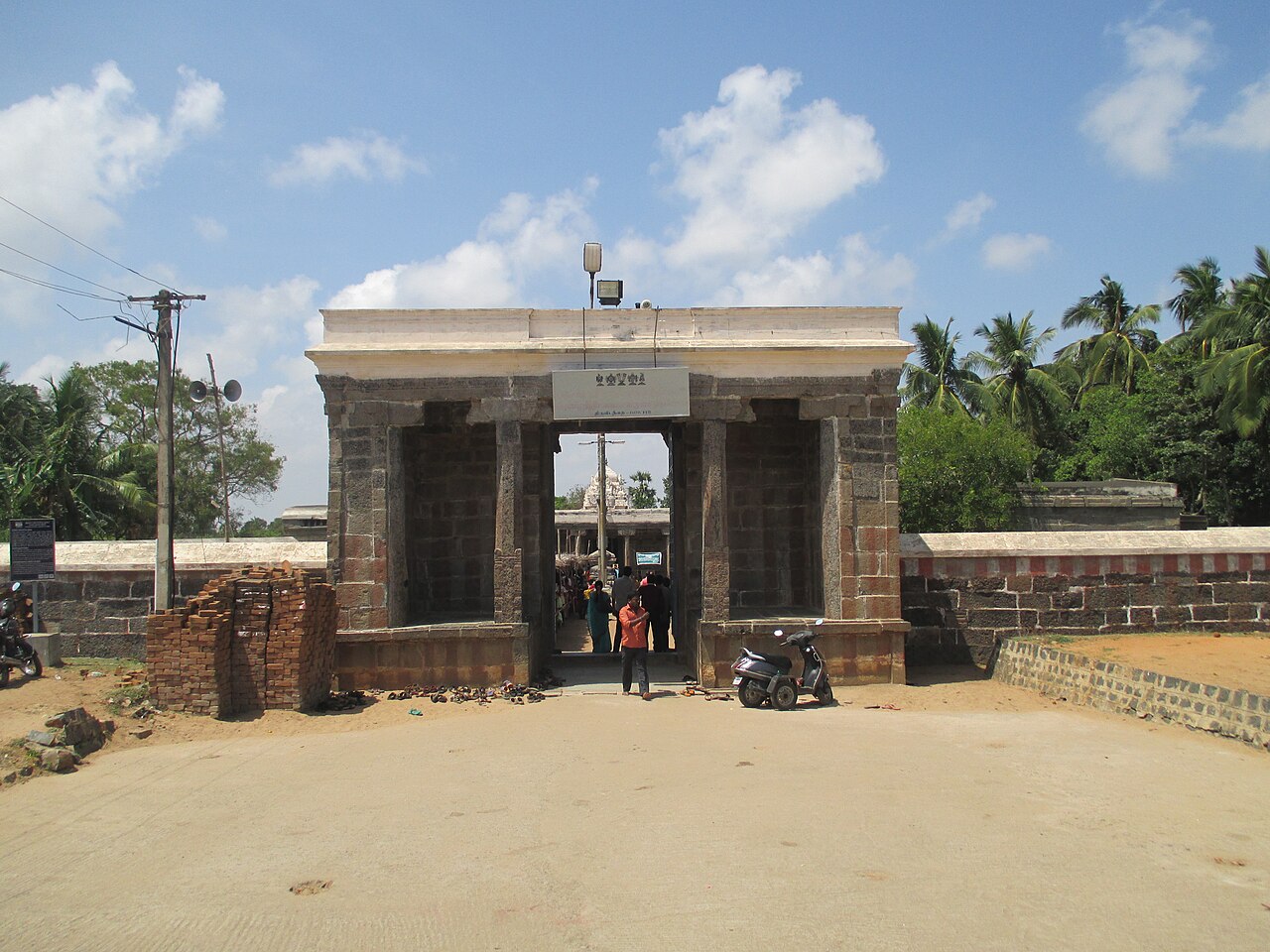
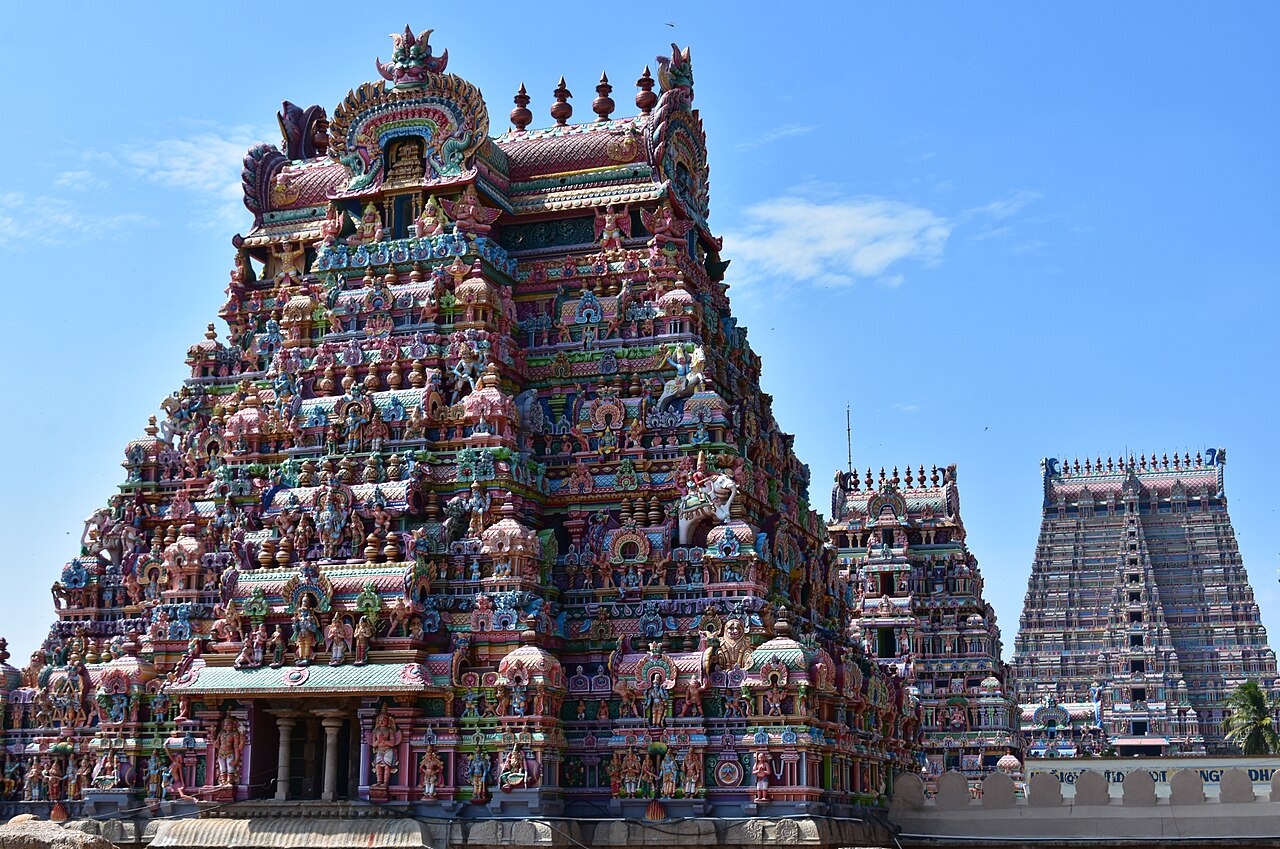
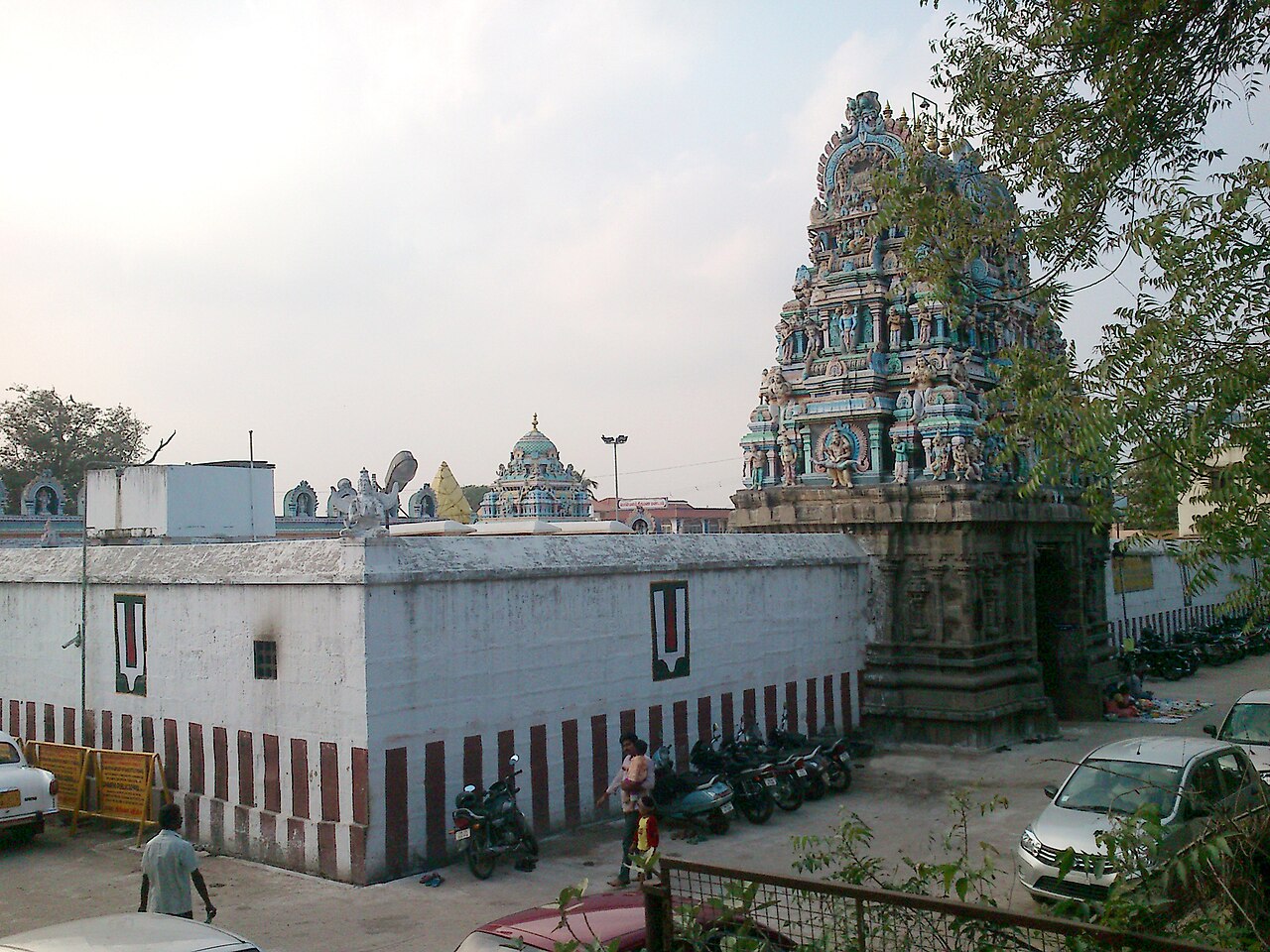
Sthalasayana Perumal Temple, Thirukadalmallai (Mahabalipuram)
Thirukadalmallai
Ssriram mt · CC BY-SA 4.0 · source
Birthplace of Bhoothathalvar; the only Divya Desam where the Lord reclines on the bare ground without Adisesha; set amid the UNESCO monuments of Mahabalipuram.
Sthala Purāṇam
The Sthalasayana Perumal Temple at Mahabalipuram, known in the Sri Vaishnava tradition as Thirukadalmallai, is one of the 108 Divya Desams, where Vishnu is worshipped as Sthalasayana Perumal and his consort as Nilamangai Thayar. According to the sthala puranam, sage Pundarika performed intense penance on this seashore, longing to behold Vishnu in the reclining form he assumes in Thiruparkadal, the Ocean of Milk. In his devotion he gathered lotus flowers for worship and, in his ardour, even began scooping out the seawater to drain the ocean and reach the Lord's celestial abode. Moved by this devotion, Vishnu came disguised as an aged sage and asked Pundarika for food. When Pundarika returned with provisions, he found not the old man but Vishnu himself reclining there upon the bare ground. Because the Lord stretched himself out at that very place (sthala) rather than upon Adishesha, he came to be called Sthalasayana Perumal, the Lord who reclines on the ground. The temple is celebrated as the birthplace of Bhoothathalvar (Bhutattazhvar), the second of the Mudhal Alvars, whose Avatara Utsavam is the temple's foremost festival. It is glorified in the Naalayira Divya Prabandham by Bhoothathalvar and Thirumangai Alvar. The temple tank is the Pundarika Pushkarani, named for the sage, and the sanctum tower is the Gagana (GaganaKriti) Vimanam. The shrine was patronised by the Pallavas, Cholas, Vijayanagara, and Madurai Nayak rulers.
Mangalāśāsanam — the Āḻvār pāsurams
The Lord Sthalasayana Perumal with Nilamangai Thayar of Thirukadalmallai is glorified in 27 pāsurams by:
Thirukadalmallai (Sthalasayana Perumal temple, Mahabalipuram/Mamallapuram) is celebrated as the place where the Lord reclines directly on the ground (thala-sayanam), without his serpent Adisesha — a form Thirumangai Alvar considered uniquely special. It is also held to be the birthplace of Bhoothathalvar. The temple received Mangalasasanam from Bhoothathalvar (one verse, in his Irandam Thiruvandhadhi) and from Thirumangai Alvar, who sang two decades of his Periya Thirumozhi (2.5 and 2.6) on this kshetra. In one celebrated decade the Alvar declares that those who cherish the Lord's reclining form here will become his own masters, exalting service to the Lord's devotees. The counts total about 27 pasurams (26 by Thirumangai Alvar, 1 by Bhoothathalvar).
பார்வண்ண மடமங்கை பனிநன் மாமலர்க் கிழத்தி நீர்வண்ணன் மார்வகத்தில் இருக்கையை முன் நினைந்து அவனூர் கார்வண்ண முது முந்நீர்க் கடல்மல்லைத் தலசயனம் ஆர் எண்ணும் நெஞ்சுடையார் அவர் எம்மை ஆள்வாரே
pArvaNNa madamangai pani nanmAmalark kizhaththi nIrvaNNan mArvagaththil irukkaiyai mun ninaindhu avanUr kArvaNNa mudhu munnIrk kadalmallaith thalasayanam Ar eNNum nenjudaiyAr avar emmai ALvArE
Meditating first on how the youthful Bhumi Devi (whose form is the earth) and Mahalakshmi (the lady of the fresh, cool, beautiful lotus) reside upon the chest of the ocean-hued Lord — those whose hearts truly dwell on His town, the thalasayanam (reclining-on-the-ground shrine) of Thirukkadalmallai beside the dark-hued, ancient deep ocean: such people shall be my masters.
Tamil text & meaning sourced from divyaprabandham.koyil.org and other Śrī Vaiṣṇava authorities — please cross-check the linked source for the canonical reading.
Read the pāsurams ↗Gallery


Tap an image to view it larger — use ‹ › to browse, ✕ to close. Images via Wikimedia Commons.
Plan your visit
📍 12.76331, 80.24200
Routes, distances, hotels and restaurants open in Google Maps with live data. Build a phased pilgrimage plan →